Learning Center
An Introduction to Hatha Yoga
Hatha yoga is the branch of yoga that works through the body, with postures (asanas) and breathing practices (pranayama). In a studio today, a hatha class usually means a slower, steadier class where you hold each pose for a few breaths, which makes it a good starting point for beginners.
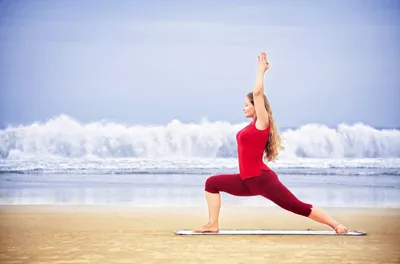
Hatha yoga is the branch of yoga that works through the body. Where other paths focus on study, devotion or meditation, hatha uses postures (asanas), breathing practices (pranayama) and focused attention to steady the body and the mind. Almost every style taught in studios today, from Iyengar and Ashtanga to vinyasa flow, grew out of it.
Where it comes from
In Sanskrit, hatha literally means "force", referring to its physical, effortful techniques. Later yoga traditions also read the word as ha and tha, the sun and the moon, and describe hatha yoga as balancing those two kinds of energy: active and receptive, effort and rest. Some hatha techniques can be traced back many centuries, and texts describing hatha yoga appear from about the 11th century. The best-known classic text is the Hatha Yoga Pradipika, written in the 15th century by Svatmarama, which describes postures, breathing practices and cleansing techniques as preparation for meditation.
For the old teachers, hatha was never just exercise. It was a discipline meant to prepare the body for long, steady meditation and a quieter mind. Many modern teachers still keep that spirit, with time for breathing and relaxation as well as poses.
What a hatha class is like today
In a studio or on a retreat, "hatha" usually means a slower, more traditional class. You come into a pose, hold it for a few breaths, come out and rest, rather than flowing continuously. A typical class includes:
- A few minutes of breathing or centering to start
- Standing poses, balances, twists, gentle backbends and forward bends, held for several breaths
- Some pranayama, such as slow, even breathing
- A final relaxation lying down (savasana)
Because the pace is gentle and teachers have time to explain each pose, hatha is a good place for beginners to start. It's also a good counterbalance if you already do faster vinyasa or power yoga. Learn more about the faster style in our introduction to vinyasa flow yoga.
Respecting your limits
Hatha teaches you to notice where you hold tension and to work within your limits rather than force a pose. That's also the safest way to practice. The US National Center for Complementary and Integrative Health says yoga is generally safe for healthy people when taught by a qualified instructor, and advises beginners to avoid extreme poses such as headstands and shoulder stands until they've learned them properly. Research on yoga suggests it may help with stress, balance, sleep and some kinds of pain, though most of those studies are about yoga in general rather than hatha alone.
Many Costa Rica retreats offer a gentle hatha class every day alongside more active classes, which makes them an easy place to start. See our guide to choosing a yoga retreat in Costa Rica for where to go.
Frequently asked questions
What does hatha mean?
In Sanskrit, hatha literally means "force". It's also traditionally explained as ha (sun) and tha (moon), a balance of active and calm energy.
Is hatha yoga good for beginners?
Yes. Hatha classes are usually slower, with poses held for several breaths and time to explain each one, so they're a good place to start.
What's the difference between hatha and vinyasa?
Hatha usually holds each pose for a few breaths and rests in between. Vinyasa links poses into a continuous flow, one movement per breath, so it's faster and more aerobic.
What should I bring to a hatha class?
Comfortable clothes you can stretch in, water and, if the studio doesn't provide one, a yoga mat. Most classes are done barefoot.
[Updated on: 4 November 2026]