Costa Rica Travel
Costa Rica Cocos Island
Cocos Island is an uninhabited national park and UNESCO World Heritage Site about 550 km southwest of mainland Costa Rica, famous for schools of hammerhead sharks. You can only visit on a liveaboard dive boat of about 10 nights from Puntarenas, so it suits experienced divers rather than yoga travelers looking for a beach week.
 By Geoff McCabe · Published · Updated
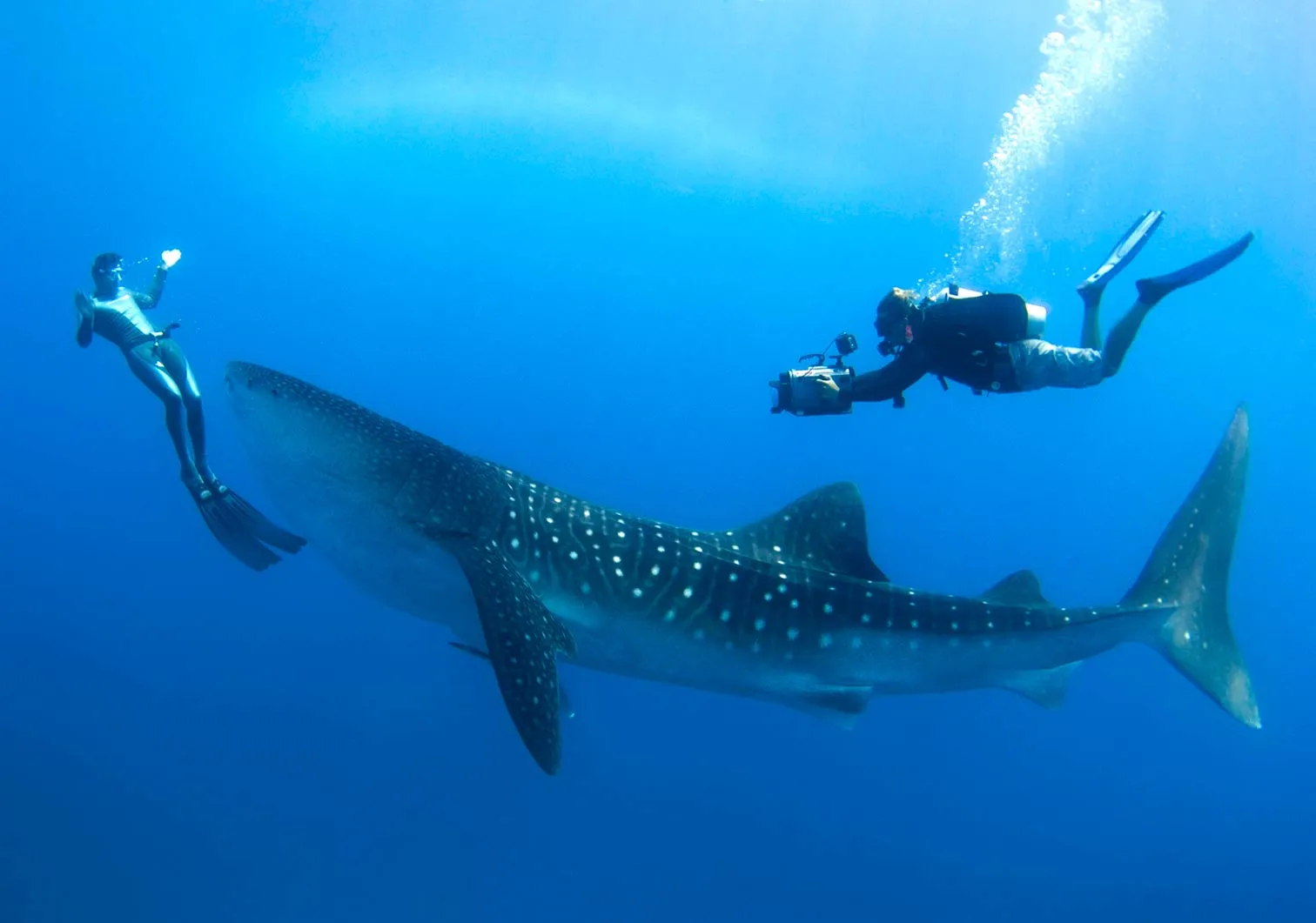
Cocos Island (Isla del Coco) is a steep, rain-soaked volcanic island in the Pacific about 550 km (340 miles) southwest of mainland Costa Rica. It's a national park and a UNESCO World Heritage Site, nobody lives there except park rangers, and it's best known for what's underwater: big schools of scalloped hammerhead sharks, whitetip reef sharks, rays, sea turtles and huge swirling schools of jacks. Undersea Hunter, one of the dive operators, counts 12 shark species around the island.
This is a trip for experienced divers, not a side trip from a yoga retreat. But if diving is your other passion, it's one of the great dive destinations of the world, and it belongs to Costa Rica.
How you get there
There's no airport, hotel or overnight stay for visitors on the island. The only way to go is on a licensed liveaboard dive boat from Puntarenas on the Pacific coast. The crossing takes roughly a day and a half each way, depending on the sea, which is why most trips run 10 to 14 nights.
Operators include the Undersea Hunter Group, which runs 11- and 14-day trips on its Sea Hunter (its larger boat, the Argo, is away on an expedition with National Geographic Pristine Seas and isn't expected back for some time), and Aggressor Adventures, which runs 10-night trips on its Cocos boats. For a fuller list of boats and trip reports, see Visit Cocos Island. Book well ahead: boats are small and popular dates sell out. A national park fee is charged on top of the trip; check with your operator for the current amount.
What the diving is like
Divers usually make two to four dives a day from small boats, at sites around the island and its offshore rocks. Bajo Alcyone, a seamount off the south side, is known for hammerheads that come in to cleaning stations, where small fish pick parasites off their skin. Manuelita, off the north coast, is a sheltered site with lots of whitetip reef sharks, which become active hunters on night dives. You may also see silvertip and Galápagos sharks, manta and eagle rays, sea turtles and, with luck, whale sharks.
Conditions aren't easy. Expect currents, surge, depth and often limited visibility, so operators ask for solid experience and you'll want to be comfortable with deep diving and a reef hook. Most divers carry dive accident insurance, and operators may require it.
Many trips note that hammerheads gather in the biggest numbers in the wetter months (roughly June to November), when the sea is rougher, while the drier months bring calmer crossings. Ask your operator what they've been seeing recently.
The Undersea Hunter Group has long offered dives in its DeepSee submersible, which can go a few hundred meters down. The submersible is based on the Argo, so ask whether it's available before you count on it.
Going ashore
Some trips include a short visit to the island itself, with rangers, usually at Chatham Bay or Wafer Bay. Expect thick rainforest, waterfalls, and old rock carvings left by sailors and visitors over the centuries at Chatham Bay. The island's pirate-treasure legends are part of the story the rangers tell. Treasure hunting is banned, and visitors can't stay overnight on land.
A much bigger park
In December 2021 Costa Rica expanded Cocos Island National Park from about 2,000 to about 54,844 square km of ocean and created a large marine management area around it, the Bicentennial Marine Management Area, where some regulated fishing is allowed. Costa Rica's Constitutional Court upheld the expansion in 2024 after a challenge by fishing groups.
If you're planning the rest of your time in Costa Rica around a yoga week, our guide to where to do yoga in Costa Rica covers the regions.
Frequently asked questions
How far is Cocos Island from mainland Costa Rica?
About 550 km (340 miles) southwest of the mainland. Boats leave from Puntarenas and the crossing takes roughly a day and a half.
Can you stay on Cocos Island?
No. Visitors can't stay overnight on the island, and there are no hotels. You sleep on your liveaboard boat, and any visit to land is short and with park rangers.
Do you need to be an experienced diver?
Yes. The diving involves currents, depth and open-ocean conditions, so operators ask for experienced, certified divers. Check each operator's requirements before you book.
When is the best time to go?
Trips run all year. The wetter months (roughly June to November) are often cited for the biggest hammerhead schools, while the drier months usually mean calmer seas for the crossing.
[Updated on: 4 November 2026]