Costa Rica Travel
Planning Your Yoga Trip to Costa Rica: Seasons, Travel, Packing
Go between December and April if you want the driest weather on the Pacific side, where most yoga towns are; May to November is the quieter green season, with mostly dry mornings and afternoon rain. Fly into Liberia (LIR) for Nosara and Guanacaste, or San José (SJO) for Santa Teresa, Montezuma, the South Pacific and the Caribbean, then finish by road, ferry, shuttle or a short domestic flight. Pack light, quick-drying practice clothes, a rain jacket, insect repellent, sunscreen and a water bottle.
- Pacific dry season
- December to March, April a transition month; rainy May to October, wettest September and October (IMN)
- Caribbean
- no true dry season; driest February to March and September to October (IMN)
- Airports
- Liberia (LIR) for Nosara and Guanacaste; San José (SJO) for most other yoga towns
- Puntarenas to Paquera car ferry
- 8 departures each way a day on Naviera Tambor's schedule (checked November 2026)
- Entry for US citizens
- no visa for stays under 180 days, a return ticket and a passport valid for your stay (US State Department, checked November 2026)
- Health
- CDC notices for chikungunya in the northwest and hepatitis A in San José province (checked November 2026)
- Money
- the colón is the currency; US dollars and major cards are widely accepted (ICT)
A yoga trip to Costa Rica means choosing a month, a coast, an airport, and often a ferry or a small plane. This guide covers when to go on each coast, how to get from Liberia or San José to each yoga town, what to pack for a retreat, and the practical side: entry rules, health, water, sun, insects, money, phones and travelling on your own.
We checked the seasons, airports, ferry, entry rules and health advice on 2026-Nov-04, from the official sources named in each section. For choosing a center, start with our guide to choosing a yoga retreat in Costa Rica; for the regions themselves, our region-by-region guide; for surf seasons, our yoga and surf guide; and for a month-long course, our teacher training guide.
When is the best time of year for a yoga trip to Costa Rica?
There's no bad month, only a better fit. If you want the most sun on the Pacific coast, where Nosara, Santa Teresa, Montezuma and Uvita are, go between December and April. If you'd rather have quieter beaches, greener hills and a few afternoon storms, the green season from May to November works well, especially in July and August. If you can only travel in September or October, the wettest months on the Pacific, look at the Caribbean, which has one of its drier spells then.
Dry and green season by coast, month by month
Costa Rica has 2 weather systems, one on each side of the mountains. The IMN, Costa Rica's national weather institute, says the Pacific side has a well-defined dry season from December to March, with April as a transition, and a rainy season from May to October, with November as a transition. The rains start first in the southeast and end there last, so the South Pacific stays wet longer. The Caribbean side has no defined dry season at all.
| Month | Guanacaste and the Nicoya Peninsula (Nosara, Santa Teresa, Montezuma) | South Pacific (Dominical, Uvita, Osa) | Caribbean (Puerto Viejo, Cahuita) |
|---|---|---|---|
| January | Dry | Dry | Rainy |
| February | Dry | Dry | Drier spell |
| March | Dry; the driest, hottest month | Dry | Drier spell |
| April | Transition | Transition; rains can start early | Between seasons |
| May | Rainy season starts | Rainy | Rainy |
| June | Rainy | Rainy | Rainy |
| July | Drier spell (veranillo) | Rainy, with a drier spell | Rainy; a peak in July |
| August | Drier spell (veranillo) | Rainy, with a drier spell | Rainy |
| September | Wettest | Wettest | Drier spell |
| October | Wettest | Wettest | Drier spell |
| November | Transition | Still rainy | Wettest stretch begins |
| December | Dry | Dry season starts later here | Wettest month |
Source: IMN regional climate guide; the ICT's climate page gives the same seasons. The Central Valley around San José, on the Pacific side of the mountains, follows the Pacific pattern, and Arenal and the northern plains run closer to the Caribbean's wetter calendar; our region-by-region guide has the rainy months for each yoga region.
The green season on the Pacific
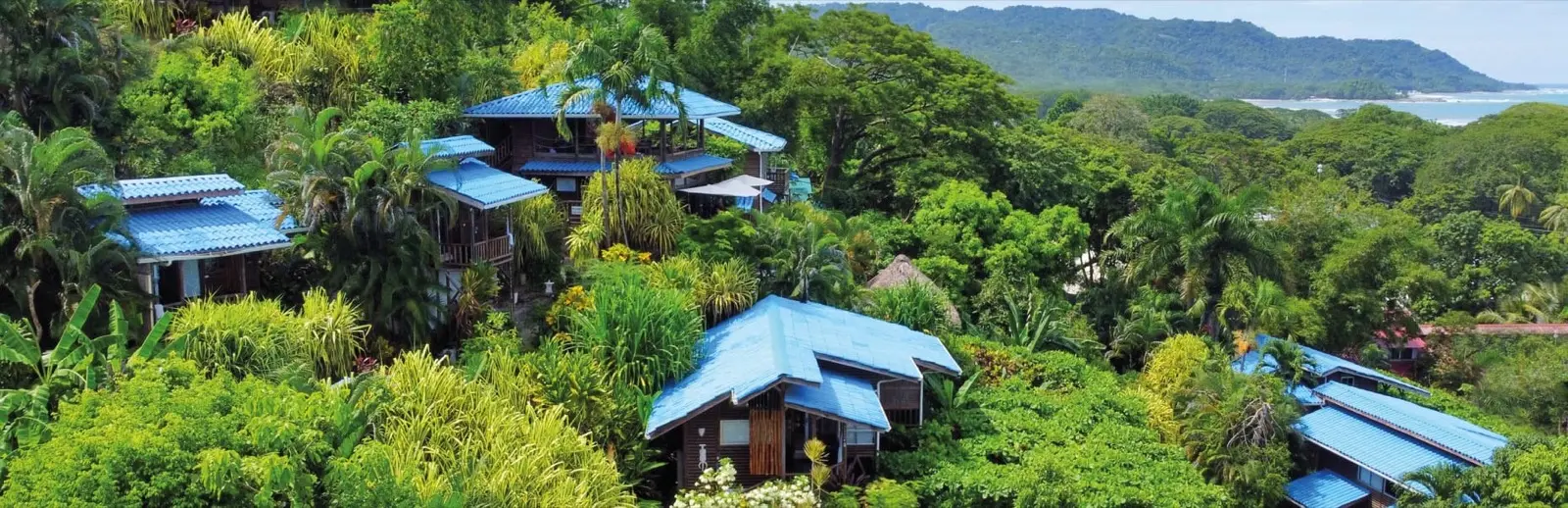
The tourism board calls May to November the green season. On the Pacific, the IMN says, rain falls mostly in the afternoon and the first hours of the night, so a 7 am class on an open-air deck usually stays dry, and the evening class may come with a storm on the roof. In July and August the rain eases for a few weeks, a spell Costa Ricans call the veranillo, or "little summer".
"It's veranillo here in Montezuma. Our ‘little summer’ full of thunderstorms and sunshine is usually the best time of year to come to visit since everything is lush and green and there are fewer tourists than high season."
Dagmar Spremberg, founder of Montezuma Yoga, who has lived in Montezuma since 2001, writing on her blog in 2020
What changes is the roads, not the practice. Dirt roads around Nosara, Cabuya and the Osa get muddy, and some centers change their year. PachaMama, near Nosara, says you need a four-wheel-drive vehicle from May to November; Luna Lodge on the Osa closes in October and part of November, the wettest stretch; and Blue Spirit in Nosara runs its visiting-teacher programs from November to August.
The Caribbean runs on its own calendar
The IMN says the Caribbean coast gets considerable rain even in its least rainy months, but it has 2 relatively dry periods: February to March, and September to October. Its rain falls mostly at night and in the morning, the opposite of the Pacific. The wettest stretch runs from November to January, with December the wettest month, and a second rainy period from May to August peaks in July.
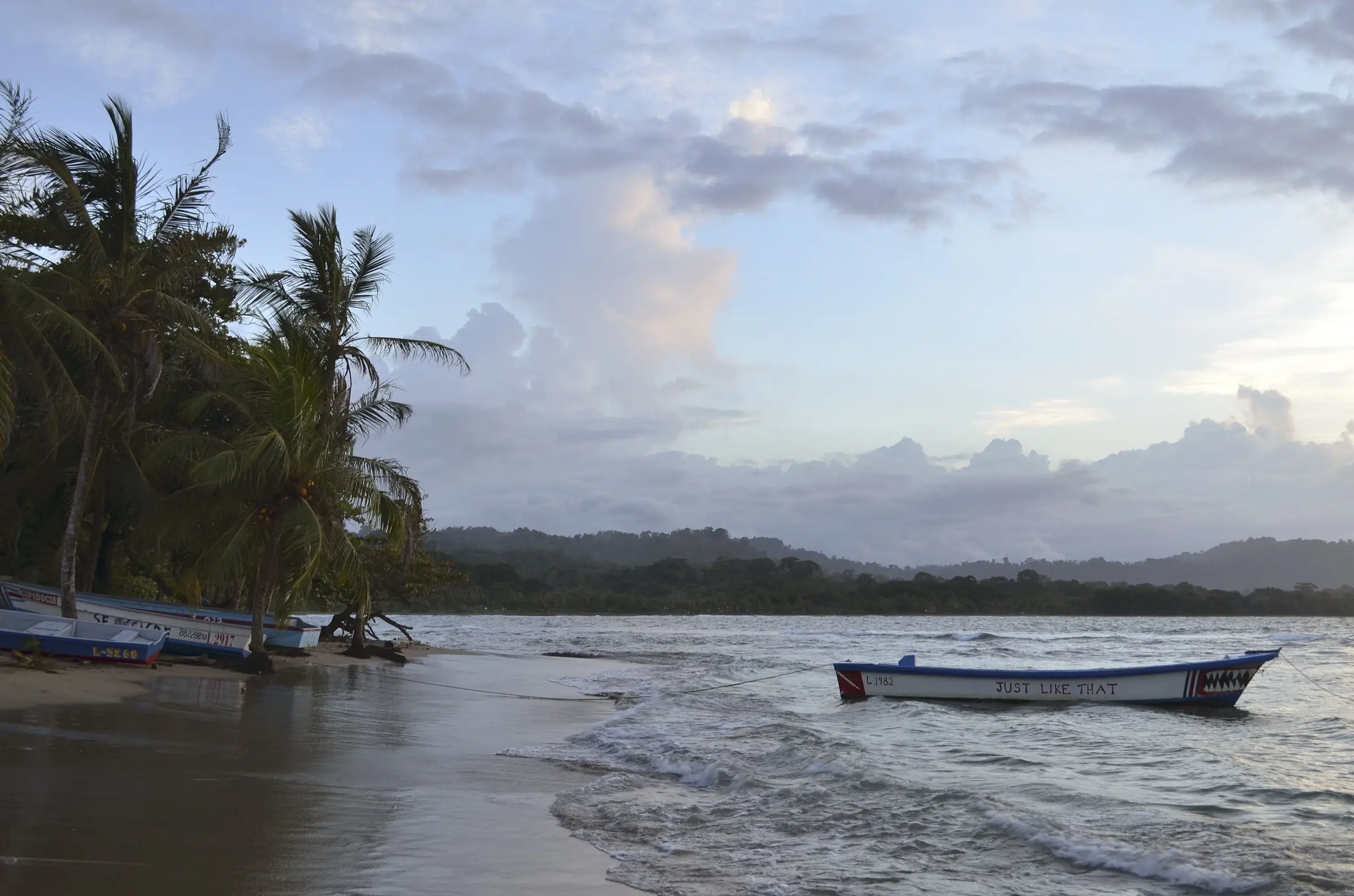
So a September or October trip often works better at Samasati Nature Retreat near Puerto Viejo or The Goddess Garden in Cahuita than on the Pacific. Mornings may be wet, so expect a covered shala rather than a beach class at sunrise.
"We might not have tourist services of the highest quality or five stars, but maybe it's even more stars because of all the stars you can see in the sky."
Leda Villa, then vice president of Cahuita's tourism chamber, in a 2015 interview with The Tico Times
Flying in: Liberia (LIR) or San José (SJO)?
Choosing the right airport can save you half a day on the road.
| Liberia (LIR) | San José (SJO) | |
|---|---|---|
| Official name | Daniel Oduber Quirós International Airport, known as Guanacaste Airport | Juan Santamaría International Airport |
| Where | Near Liberia, in Guanacaste, in the dry northwest | In Alajuela, about 20 miles (32 kilometers) from downtown San José, according to the ICT |
| Closest yoga towns | Nosara, Samara, Tamarindo, Playa Negra; also Arenal | Santa Teresa, Montezuma, Cabuya (with the ferry), Jaco, Manuel Antonio, Dominical, Uvita, the Osa, the Caribbean, the Central Valley |
| Domestic flights | Sansa flies from Liberia, including to Nosara | Sansa flies from SJO to Nosara, Santa Teresa (Cobano), Quepos, Puerto Jiménez, Limón and more |
Liberia (LIR)
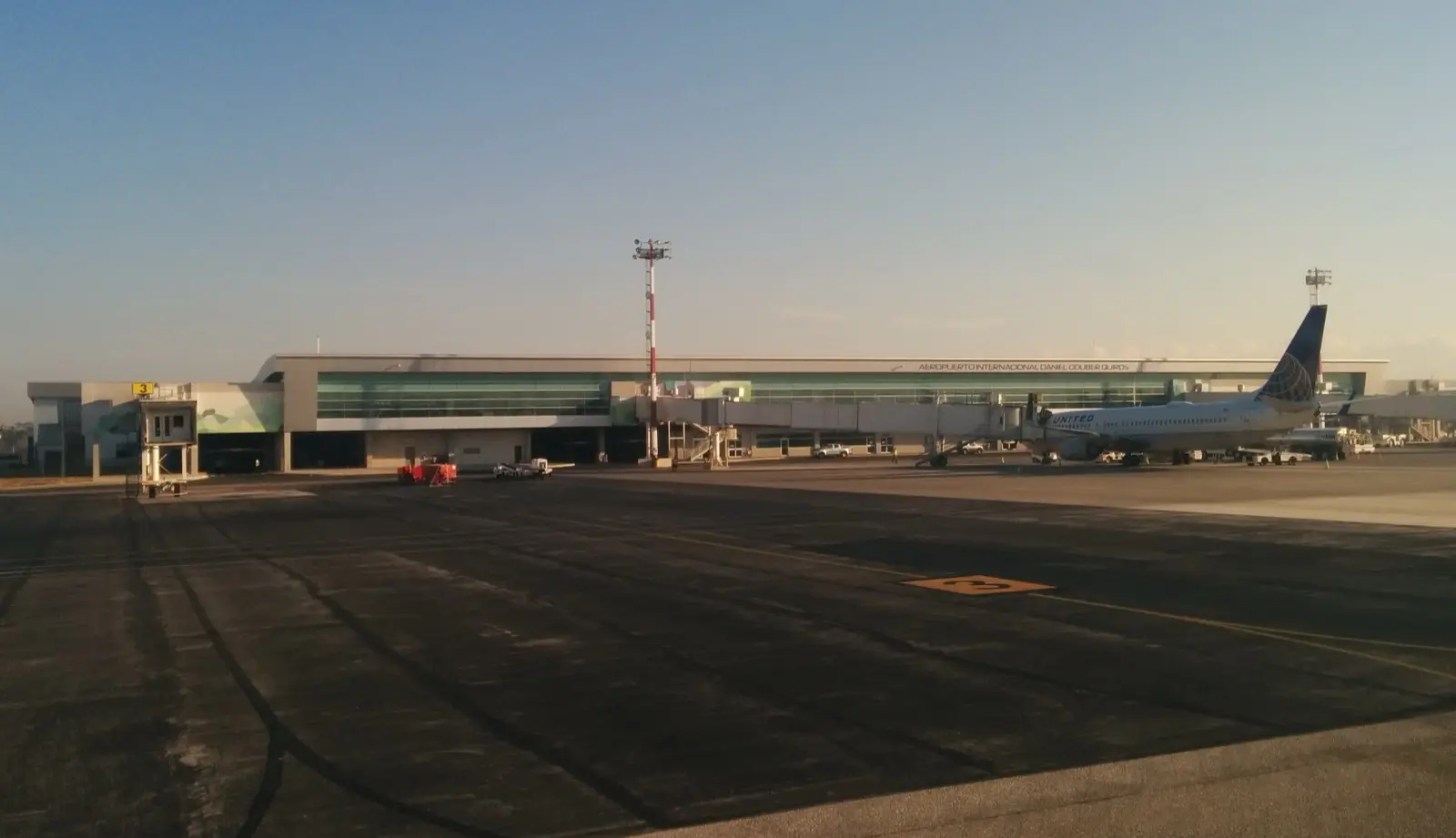
Guanacaste Airport is the gateway for the north. The ICT says it mainly serves travelers heading to Guanacaste, Monteverde and La Fortuna. For a yoga trip, it's the natural choice for Nosara: Marianne Wells Yoga School, which holds its trainings in Nosara, flies its students into Liberia and runs a group bus that takes about 2.5 hours. The airport's website has pages for ground transportation and car rentals. Our Guanacaste guide covers the province beyond yoga.
San José (SJO)
Juan Santamaría, the main gateway to the country, sits in the Central Valley, so every coast is a drive or a short flight away. It has free Wi-Fi and money exchange.
If you're connecting from an international flight to a small plane, give yourself time. Marianne Wells Yoga School asks students to leave at least 2 hours between flights at SJO for immigration, baggage claim, customs and the walk to the domestic terminal next door.
Getting to each yoga town
Drive times below are the ones each center gives on its own website, as summarized in our profiles. Rain, roadworks, the ferry queue and darkness all add time. Many centers arrange or include airport transfers, so ask before you rent a car.
| Yoga town | Fly into | By road (approximate) | Domestic flight option |
|---|---|---|---|
| Nosara | LIR | About 2.5 hours from LIR; about 5 hours from SJO | Sansa to Nosara (NOB) |
| Santa Teresa and Mal País | SJO | About 4.5 hours from SJO with the ferry; about 5 hours from LIR | Sansa to Cobano (ACO) |
| Montezuma and Cabuya | SJO | About 4 to 5.5 hours from SJO with the ferry; about 3 to 4.5 hours from LIR | Sansa to Cobano (ACO) |
| Dominical and Uvita | SJO | About 3 to 4 hours from SJO | Sansa to Quepos, then drive |
| Osa Peninsula | SJO | 5 to 6 hours from SJO | Sansa to Puerto Jiménez |
| Puerto Viejo and Cahuita | SJO | 4 to 6 hours from SJO | Sansa to Limón, then drive |
| Arenal (El Castillo) | SJO or LIR | About 3.5 hours from SJO | Sansa to La Fortuna |
Nosara
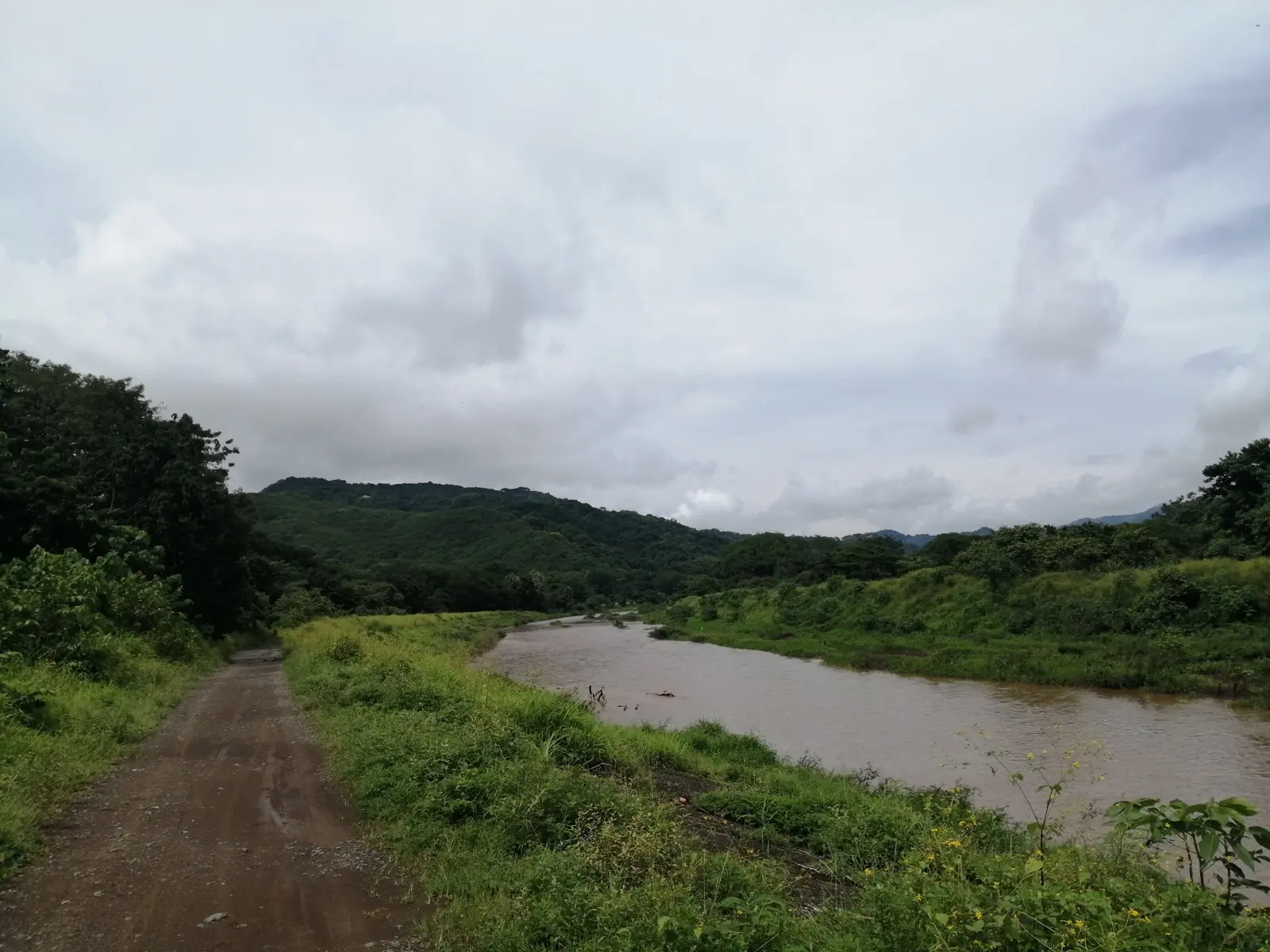
Nosara, on the Pacific side of the Nicoya Peninsula in Guanacaste, has more of the retreat centers we profile than anywhere else, and most people reach it from Liberia. The centers there include Bodhi Tree Yoga Resort. The last part of the drive is on gravel, which the Harmony Hotel calls "infamously bumpy", and Blue Spirit warns that a ride after dark takes longer than the map suggests.
"This is really the pulsing heart of yoga here"
Yali McGregor, who took her first yoga training in Nosara in 2005, quoted by The Tico Times in 2017 in a passage on Bodhi Tree Yoga Resort and the Nosara Yoga Institute
Your options:
- Shuttle from Liberia. Blue Spirit runs shared shuttles from Liberia on Saturdays, about 3 hours each way, and private transfers on other days.
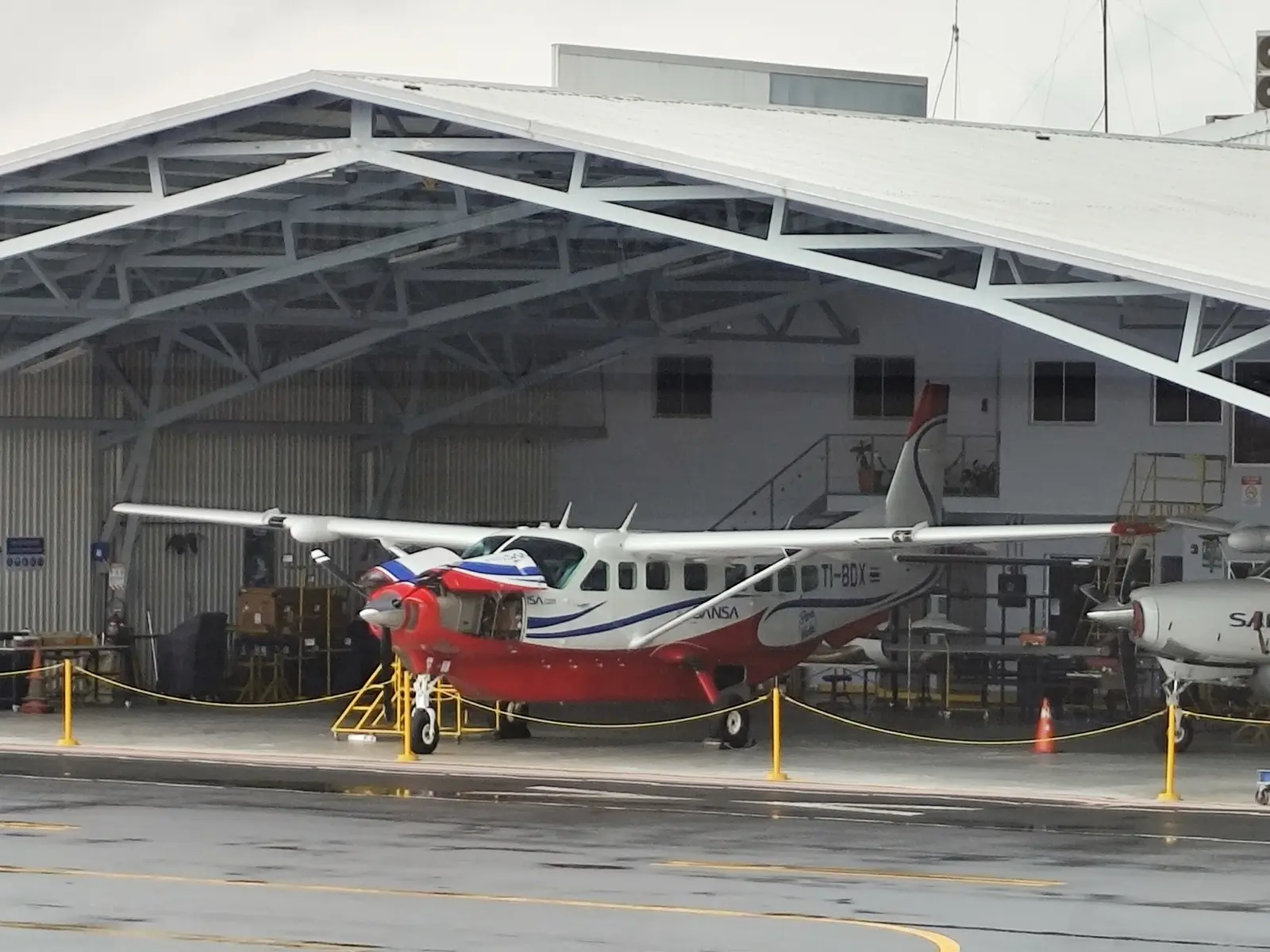
- Fly to the Nosara airstrip. Sansa flies to Nosara from San José and from Liberia. The Harmony Hotel puts the flight at under an hour from San José and about 20 minutes from Liberia, and its team meets guests at the airstrip.
- Drive or take the bus. From San José it's about 5 hours by car. PachaMama notes direct buses from San José to Nosara.
Our older Nosara town guide has more on the town itself.
Santa Teresa and Mal País
Santa Teresa sits at the southwest tip of the Nicoya Peninsula. From San José, most people drive to the port of Puntarenas, take the car ferry to Paquera and drive on through Cóbano; Horizon Hotel and Yoga Center puts the whole trip at about 4.5 hours and recommends a four-wheel drive. From Liberia it's about 5 hours by road around the Gulf of Nicoya. The quickest way in is a short Sansa flight to the Cobano airstrip, then a taxi of about 25 minutes. Shaka Costa Rica and the other surf camps are on the same roads. For food, beaches and getting around once you're there, our sister site Santa Teresa goes further than we do.
Montezuma and Cabuya
Montezuma is on the Gulf of Nicoya side of the peninsula, and Cabuya a little farther south. Anamaya Resort puts its shared shuttle from San José airport at about 5.5 hours door to door: about 2.5 hours to Puntarenas, about 1.5 hours on the ferry and about 1.5 hours from Paquera. Its shuttle from Liberia takes 4 to 4.5 hours around the gulf. Sansa and Green Airways fly to the Cobano airstrip, a 15 to 20 minute drive away, and a taxi boat leaves Playa Herradura, near Jaco, in the morning. The Sanctuary at Two Rivers, near Cabuya, allows 4.5 to 5.5 hours from San José and notes that some roads around Cabuya are still unpaved.
The Puntarenas to Paquera ferry
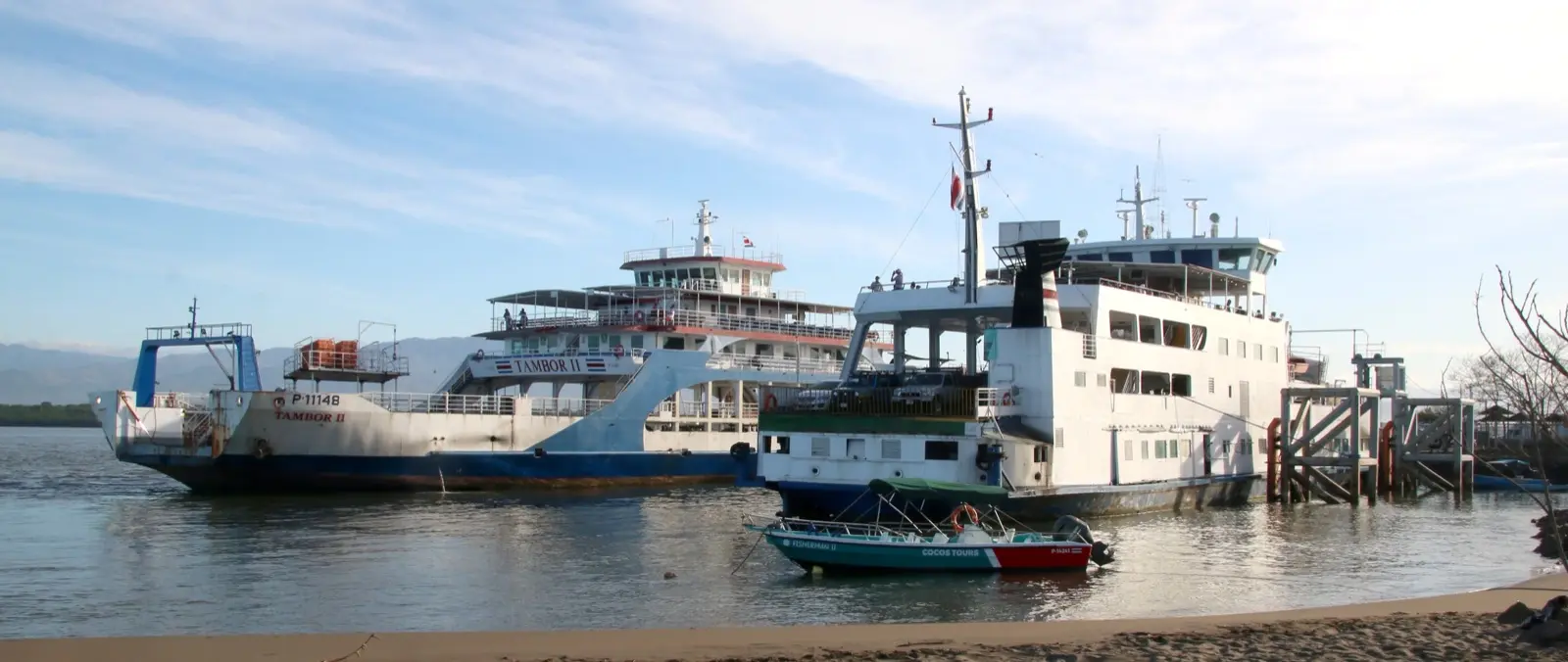
The car ferry across the Gulf of Nicoya is part of the trip to Santa Teresa, Montezuma and Cabuya. Naviera Tambor runs the Puntarenas to Paquera route, 11 nautical miles. Its schedule, in force since 20 April 2026 until further notice, lists 8 departures a day in each direction, the first at 4 am and the last at 10 pm. Hotels on the peninsula put the crossing itself at about 1 hour 15 minutes to 1.5 hours.
A few things worth knowing:
- Buy ahead if you can. Naviera Tambor sells only a limited number of places online, as its regulators allow; the rest are sold at its ticket offices at the port.
- Allow for the queue. Cars line up at the dock, and if a boat fills before your turn, you wait for the next departure.
- There's a second ferry. Coonatramar runs from Puntarenas to Playa Naranjo, farther north on the peninsula's gulf coast, and sells tickets online; check its current schedule on its site.
- You don't have to drive. Shared and private shuttles from San José to Santa Teresa and Montezuma use the same ferry.
Dominical and Uvita
Danyasa Eco-Retreat says to allow about 3 hours from the airport to Dominical, with shared shuttles taking 3 to 4 hours, or a 20-minute flight to Quepos and a drive from there. Bodhi Surf + Yoga puts Uvita at about 3.5 to 4 hours, mostly on the paved coastal highway, and includes the transfer in its 7-day camp. Our guide to the Central Pacific covers the coast on the way.
The Osa Peninsula
Most people fly to the Osa. Blue Osa Yoga Retreat + Spa puts the flight from San José to Puerto Jiménez at about 40 minutes, against 5 to 6 hours by shuttle. Luna Lodge, at the edge of Corcovado National Park, adds a 4x4 transfer of 2 to 2.5 hours on a dirt road with river crossings from Puerto Jiménez, or a charter flight to the Carate airstrip, and says not to try the road in a regular car.
The Caribbean: Puerto Viejo, Cocles and Cahuita
From San José, the road crosses the mountains on Route 32 through Braulio Carrillo National Park, then runs south past Limón. Samasati puts it at 4 to 6 hours and suggests arriving in daylight; its own 4x4 shuttle climbs the last steep road. The Goddess Garden in Cahuita says about 4 hours by car, and both mention short flights from San José to Limón, followed by a drive. Kindred Spirits in Cocles notes a direct bus from San José to Puerto Viejo. Our page on Limón province covers the region.
Arenal and the mountains
Rancho Margot, by Lake Arenal, is about 3 hours' drive from San José airport to La Fortuna, then about 40 minutes on rural roads past El Castillo; drive in daylight. See our La Fortuna guide for the town.
Shuttles, buses, rental cars and small planes
- Public buses reach nearly every popular destination, the ICT says. Private companies run them, with no central terminal in San José: each line has its own station, and some want cash.
- Rental cars. The ICT says you can drive for 3 months on a legal driver's license from home. Use a navigation app, don't leave valuables in the car, and park in guarded lots. A four-wheel drive helps on dirt roads.
- Domestic flights. Sansa flies small planes to the airstrips in the table above, plus Tamarindo, Drake Bay and Tortuguero. Pack light: a personal item such as a small backpack, up to 4.5 kilograms (10 pounds), flies at no extra charge, anything over 6.8 kilograms must be checked, checked baggage depends on your fare, and Sansa says extra bags may not travel on the same flight as you. Oversized items can be refused, so ask before you bring a surfboard.
Entry basics: passport, visa and return ticket
Checked on 2026-Nov-04. Rules change, so check again before you fly.
- Passport. The US State Department says your passport must be valid for the period of your stay. The UK government asks for an expiry date at least 1 day after the day you plan to leave. Check your airline's rules too.
- Visa. US citizens don't need a visa for stays under 180 days, according to the State Department, and the UK government says British visitors can stay up to 180 days without one. The immigration officer decides the length of your stay when you arrive. Other nationalities should check with Costa Rica's immigration office, the Dirección General de Migración y Extranjería.
- Return ticket. The State Department says a return ticket is required, so have your flight home (or onward) booked and on hand.
- Yellow fever certificate. Required only if you're arriving from certain countries in South America or Africa with a risk of yellow fever.
- Departure tax. The ICT says it's included in most airline tickets.
A night in the Central Valley before or after
If you land in San José late in the day, a night near the airport is easier than a long drive in the dark, and a chance for a class: we profile Krama Yoga in Pozos de Santa Ana, west of San José, and Yoga Mandir in San Pedro, near the University of Costa Rica.
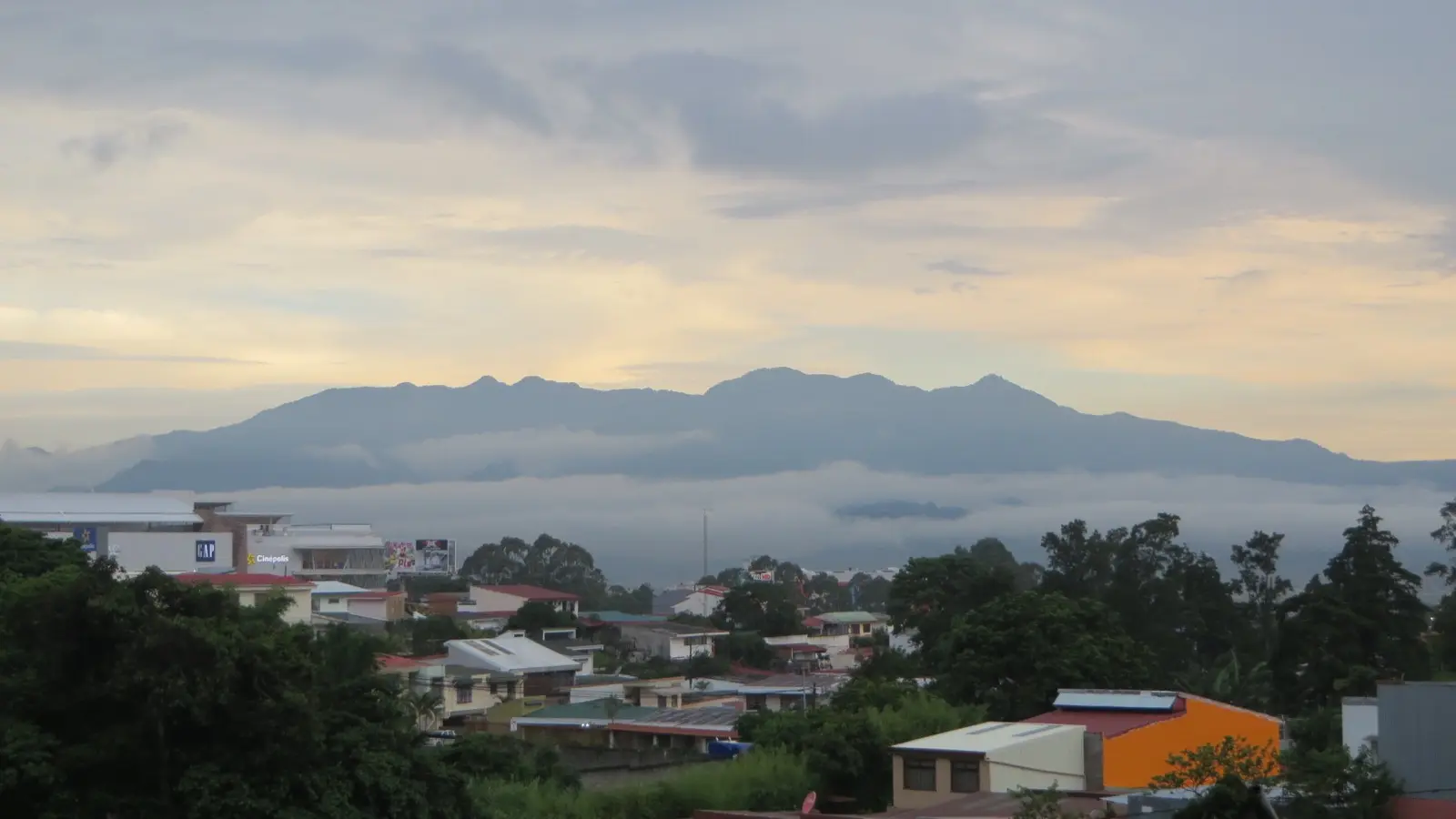
"Now we live in Escazú, on a mountain; it's a very beautiful place with a forest next to it"
Esteban Salazar, the Costa Rican founder of Krama Yoga, in a 2019 interview with La Nación's Revista Perfil (translated from Spanish)
Our San José guide and Central Highlands guide cover the valley.
What to pack for a yoga retreat in Costa Rica
Pack for heat, humidity, sudden rain and a lot of time barefoot. Retreats are casual, and many have laundry service, so you need less than you think.
Practice clothes and gear
- Light, quick-drying practice clothes, enough for 2 classes a day. Cotton stays damp in the humidity; synthetics and blends dry faster.
- A mat only if you love yours. Many retreat centers provide mats and props; ask before you carry one, especially if you're flying Sansa.
- A small towel, and a light layer for meditation and evening classes.
Clothes for the rest of the day
- A light rain jacket from May to November, and an umbrella for the Caribbean at any time of year.
- Sandals and closed shoes. Paths in the forest are often steep and muddy; water shoes help at river pools and waterfalls.
- A hat, sunglasses and a long-sleeved shirt for the sun, plus a sweater for air-conditioned buses and planes and for the mountains.
"...you will learn how to do yoga in nature. We go to waterfalls, we go to the ocean. It is very beautiful, and people go deep into their own world"
Juan Pablo Barahona, Costa Rican yoga teacher, describing his teacher training in Costa Rica in a 2016 interview with SF Yoga Magazine
Body care and small things
- Insect repellent (see the health section below for what the CDC suggests) and reef-safe sunscreen.
- A refillable water bottle. You'll drink much more than at home; ask your center whether it has filtered water to refill from.
- Any medicines you take, in their original packaging. The ICT notes that some medicines in Costa Rica need a certified prescription.
- A headlamp or small flashlight. Rural paths are dark at night.
- Electronics in a dry bag or zip bag, because humidity is hard on them, and a plug adapter only if you need one: outlets are 110 volts with standard US 2-prong plugs, according to the ICT.
- Paper copies of your passport, booking and the center's arrival instructions.
Health, water, sun and insects
This is general travel information, not medical advice. See a doctor or travel clinic well before you go, and check the CDC's Costa Rica page again just before you fly.
Vaccines and current health notices
The CDC (the US Centers for Disease Control and Prevention) asks every traveler to be up to date on routine vaccines and recommends the hepatitis A vaccine for unvaccinated travelers aged 1 or older going to Costa Rica. In November 2026 it had 2 notices specific to Costa Rica:
- Chikungunya, Level 2 (enhanced precautions), updated 30 July 2026: an outbreak in northwest Costa Rica, shown on the notice's map. The CDC recommends vaccination for travelers visiting an outbreak area, with special advice for pregnant travelers (notice).
- Hepatitis A, Level 1 (usual precautions), 18 September 2026: an outbreak with most cases in San José province. The CDC advises making sure you're vaccinated (notice).
Costa Rica is also on the CDC's worldwide dengue notice. The CDC says malaria risk is limited to the provinces of Alajuela and Limón, where it recommends preventive medicine, so ask your doctor about it if you're heading to the Caribbean coast or to Arenal, which is in Alajuela. It doesn't recommend the yellow fever vaccine for Costa Rica itself.
Mosquitoes and other insects
Dengue, Zika and chikungunya are all spread by mosquito bites. The CDC suggests long sleeves, long trousers and a hat; a repellent with 20% or more DEET for protection lasting up to several hours; permethrin on clothing and gear, never on skin; and screened or air-conditioned rooms. If your room has a mosquito net over the bed, use it, and keep repellent with you for classes on open decks.
Water and food
The ICT says tap water is drinkable in most of the country and recommends bottled water only in a few rural areas. Ask your center about its water when you arrive. The CDC's general advice still applies: wash your hands often, especially before eating, and stay out of floodwater and muddy soil after heavy rain.
Sun and heat
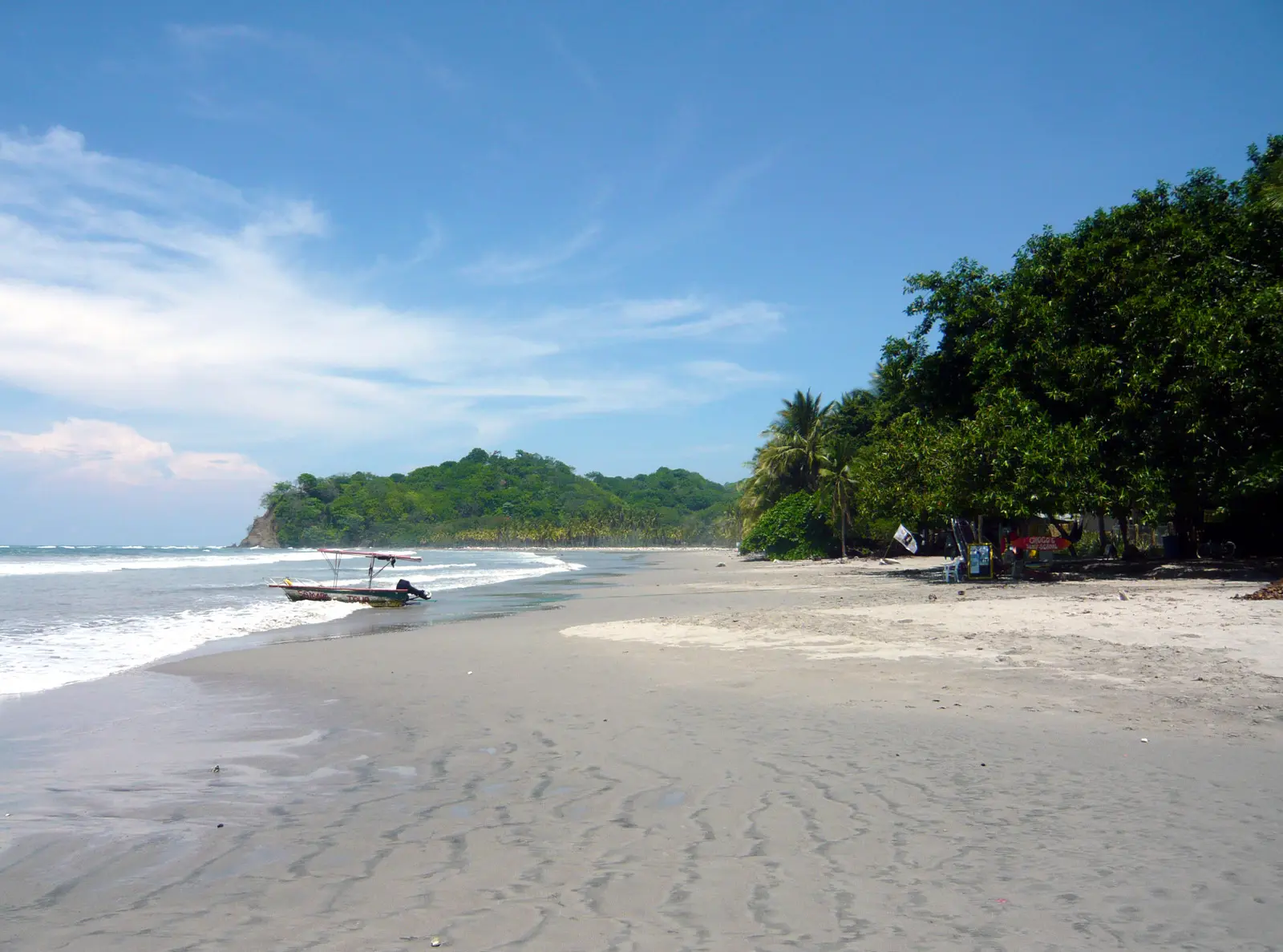
The tropical sun is strong. The IMN publishes a daily UV forecast for the strongest hour around midday, and at its higher levels advises staying in the shade at midday with clothing, a hat and sunscreen. The CDC suggests SPF 15 or higher and shade between 10 am and 4 pm. Plan beach time early and late, drink plenty, and go easy in the first strong class of the week.
In the ocean
The State Department warns that rip currents kill dozens of US citizens in Costa Rica every year. Its advice: swim only in designated areas, follow lifeguards' signs and flags, and never swim alone or after drinking. The ICT adds: ask locals or surfers about rip currents. Our yoga and surf guide explains how to spot a rip and get out of one.
Money, phones and internet
Money
The colón is Costa Rica's currency, and the ICT says US dollars are widely accepted too, as are all major credit cards, with ATMs throughout the country. A few practical points:
- Carry some colones for small shops, buses, taxis and village sodas (small local restaurants).
- Change money only at banks and approved exchange offices, as the ICT advises. Banks ask for your original passport, not a copy.
- Check what your retreat includes before you arrive: meals, classes, transfers and excursions vary a lot from center to center. Our guide to choosing a yoga retreat has questions to ask.
Phones and internet
You have 2 easy options. Ask your own phone company to add international roaming before you leave, or buy a prepaid SIM card at the Kolbi booth at the airport (Kolbi is the national telecommunications company) or in any phone company store, as the ICT suggests; the other mobile networks are Claro and Liberty, which took over Movistar's network in 2021. Calls to 911 work without a local line. Ask your center about Wi-Fi: in the forest it can be slow or drop out in a storm, so download your boarding passes and the center's directions before you leave home.
Travelling solo
A yoga retreat is one of the easiest ways to travel alone: you share meals and classes with the same small group, and the center handles transfers. Our guide to choosing a yoga retreat covers retreats for solo travelers and women, and our yoga and surf guide lists women's surf and yoga weeks.
Outside the retreat, normal care goes a long way. The US State Department's advisory, last issued in April 2026, rates Costa Rica Level 2, "exercise increased caution", because of crime; it says petty crime is common and violent crime also affects tourists. Its advice and the ICT's tips for solo travelers come down to this:
- Use official transportation only, and ask your hotel's front desk for the safest way to get around, especially at night.
- Don't walk alone on dark beaches or streets, or jog in secluded places, especially at night.
- Don't share your plans with strangers or on social media.
- Keep valuables out of sight, use the room safe, and never leave anything on the sand while you swim.
- Dial 911 in an emergency, and consider the State Department's Smart Traveler Enrollment Program if you're a US citizen. The State Department also highly recommends travel insurance; check that yours covers medical care and evacuation.
More planning help
Everything we file under travel is in our Costa Rica travel section, and our Puntarenas province guide covers Santa Teresa, Montezuma and the South Pacific coast. If you're adding non-yoga days, our sister site Costa Rica Journeys covers general travel, other regions, driving and money in more depth. For silent, meditation, eco and spa stays, our guide to wellness, meditation and nature retreats is coming soon.
Frequently asked questions
When is the best time of year for a yoga retreat in Costa Rica?
December to April is the driest time on the Pacific coast, where most yoga towns are. May to November is the green season, with quieter beaches and mostly afternoon rain; July and August often bring a drier spell. In September and October, the Caribbean is usually drier than the Pacific.
Which airport should I fly into for a yoga retreat in Costa Rica?
Fly into Liberia (LIR) for Nosara, Samara, Tamarindo and the rest of Guanacaste. Fly into San José (SJO) for Santa Teresa, Montezuma, Cabuya, the Central and South Pacific, the Osa Peninsula, the Caribbean and the Central Valley.
How do I get to Santa Teresa or Montezuma from San José?
Drive or take a shuttle to Puntarenas, cross the Gulf of Nicoya on the car ferry to Paquera, and drive on; hotels there put the whole trip at about 4 to 5.5 hours, door to door. Sansa also flies small planes from San José to the Cobano airstrip near Santa Teresa.
How do I get to Nosara?
Most people fly into Liberia and drive or take a shuttle for about 2.5 hours, the last part on gravel. You can also fly Sansa from San José or Liberia to the Nosara airstrip.
What should I pack for a yoga retreat in Costa Rica?
Light, quick-drying practice clothes, a light rain jacket, sandals and closed shoes, a hat, reef-safe sunscreen, insect repellent, a refillable water bottle, a small flashlight and any medicines you take. Most centers provide mats, so ask before you bring one.
Do I need a visa to go to Costa Rica?
US and UK citizens don't need a visa for tourist stays of up to 180 days. The US State Department says you need a passport valid for your stay and a return ticket. Other nationalities should check with Costa Rica's immigration office.
Is a yoga retreat in Costa Rica safe for solo travelers?
A retreat, with its small group and arranged transfers, is one of the simpler ways to travel alone. The US State Department rates Costa Rica Level 2, exercise increased caution, because of crime, so use official transport, avoid dark beaches and streets at night, keep valuables out of sight, and swim only in designated areas.
Is the tap water safe to drink in Costa Rica?
The ICT says tap water is drinkable in most of the country, with bottled water recommended in a few rural areas. Most retreat centers serve filtered water; ask yours when you arrive.