Yoga Teacher Training
Yoga Teacher Training in Costa Rica: How to Choose a School
You can do a 200-hour yoga teacher training in Costa Rica in Nosara, Montezuma, Playa Hermosa, the Osa Peninsula, the Caribbean coast or, in Spanish, San José, and most run as 2 to 4 week live-in courses with dates spread through the year. Choose by the lead trainer, the style, the group size and the schedule, then check the school yourself in Yoga Alliance's online directory before you pay a deposit.
- Schools we found with dated trainings in Costa Rica (checked 2026-Nov-04)
- Bodhi Tree, Anamaya, Vida Asana, Kindred Spirits, PachaMama and Yoga Mandir; Blue Osa lists 200 and 300-hour courses but showed no dates
- Course types
- 200 hours (your first training), 300 hours (advanced, after a 200), 500 hours (both together); RYT 500 also needs 100 teaching hours (Yoga Alliance)
- Typical live-in length
- 14 to 22 days for a 200-hour course; Yoga Mandir in San José runs a 3-month part-time course in Spanish
- Yoga Alliance
- a US nonprofit registry; check any school in its directory at app.yogaalliance.org/directory
- Pacific dry season
- December to March; rainiest months September and October; the Caribbean is driest February to March and September to October (ICT)
- Airports
- Liberia (LIR) for Nosara; San José (SJO) for Playa Hermosa, the Osa, the Caribbean and the Central Valley
Teacher training in Costa Rica has deep roots: the Nosara Yoga Institute, the first yoga program in Nosara on the Nicoya Peninsula, opened in 1994 and had graduated more than 3,000 trainees by the time it was sold in 2016. Today the trainings are spread across the country, from the dry Pacific coast to the Caribbean rainforest and a Spanish-language school in San José. This guide explains what the hours mean, how to check a school yourself, what a training day is really like, and which schools we profile are running courses, as checked on 2026-Nov-04.
If you're still deciding between a training and a holiday, our guide to choosing a yoga retreat in Costa Rica covers the retreat side, and where to do yoga in Costa Rica, region by region covers the coasts. Our yoga and surf guide and our wellness and meditation guide, for surf camps and for silent or nature retreats, are on the way.
Where can I do yoga teacher training in Costa Rica? The short answer
Most trainings are live-in courses: you sleep, eat and study at the same place for 2 to 4 weeks. These are the schools we profile that had training dates or a standing training program when we checked.
| School | Where | What they offer | Language |
|---|---|---|---|
| Bodhi Tree Yoga Resort | Nosara, Guanacaste | 200 hours, run with iLa Yoga; 2 dates in 2027 | English |
| Anamaya Resort | Montezuma, southern Nicoya | 200-hour courses led by visiting teachers; dates in late 2026 and mid 2027 | English |
| Vida Asana | Playa Hermosa, Central Pacific | 200 hours (online start, then 12 days on site), July 2027; a 300-hour course too | English |
| Blue Osa Yoga Retreat + Spa | Osa Peninsula | 200 hours in 14 days, 300 hours in 28 days | English |
| Kindred Spirits | Cocles, Caribbean coast | 200 hours in 21 days; one course under way in November 2026, then 3 dates in 2027 | English |
| Yoga Mandir | San Pedro, San José | 300 or 400 hours over 3 months, part time | Spanish |
The rest of the country's older names have changed a lot; we cover who's still running, and who isn't, in the school-by-school section below.
200, 300 and 500 hours explained
The numbers come from Yoga Alliance, the US-based nonprofit registry of yoga schools and teachers. A school registers a course at a level, and graduates can then register themselves as teachers at the matching level. These are Yoga Alliance's own definitions, from its Find a Yoga School page and its published standards.
| Level | What it is | Who it's for | What you can register as afterwards |
|---|---|---|---|
| 200 hours (RYS 200) | The foundational training for new teachers | Your first training | RYT 200, with no teaching hours required |
| 300 hours (RYS 300) | An advanced course that builds on a 200 | Teachers who already hold a 200 | Counts towards RYT 500 |
| 500 hours (RYS 500) | A single program that meets both the 200 and 300 standards | People who want the whole path in one school | RYT 500, once you've taught 100 hours |
A few details trip people up:
- You can't add up short courses to make a 200. Yoga Alliance's teacher standards say multiple trainings cannot be combined to meet the 200-hour requirement.
- A 200 plus a 300 can come from 2 schools. For RYT 500, the 200 and the 300 may be done at different schools, as long as each holds an active registration. So a 200 in Costa Rica now and a 300 somewhere else later works.
- "E-RYT" means experience. E-RYT 200 needs at least 1,000 teaching hours and 2 years of teaching after your 200. Under the current standards, the lead trainers of a registered 200-hour school must hold E-RYT 500.
- The 200-hour curriculum has 4 parts. Since February 27, 2020, new 200-hour schools teach 4 subject areas: techniques, training and practice (75 hours); anatomy and physiology (30); yoga humanities, meaning philosophy, ethics and history (30); and professional essentials, meaning teaching methods and practice teaching (50).
Some schools also sell 100-hour modules. Marianne Wells Yoga School, for example, splits its 300-hour course into 3 modules of 100 hours, each with its own certificate.
Yoga Alliance and how to check a school yourself
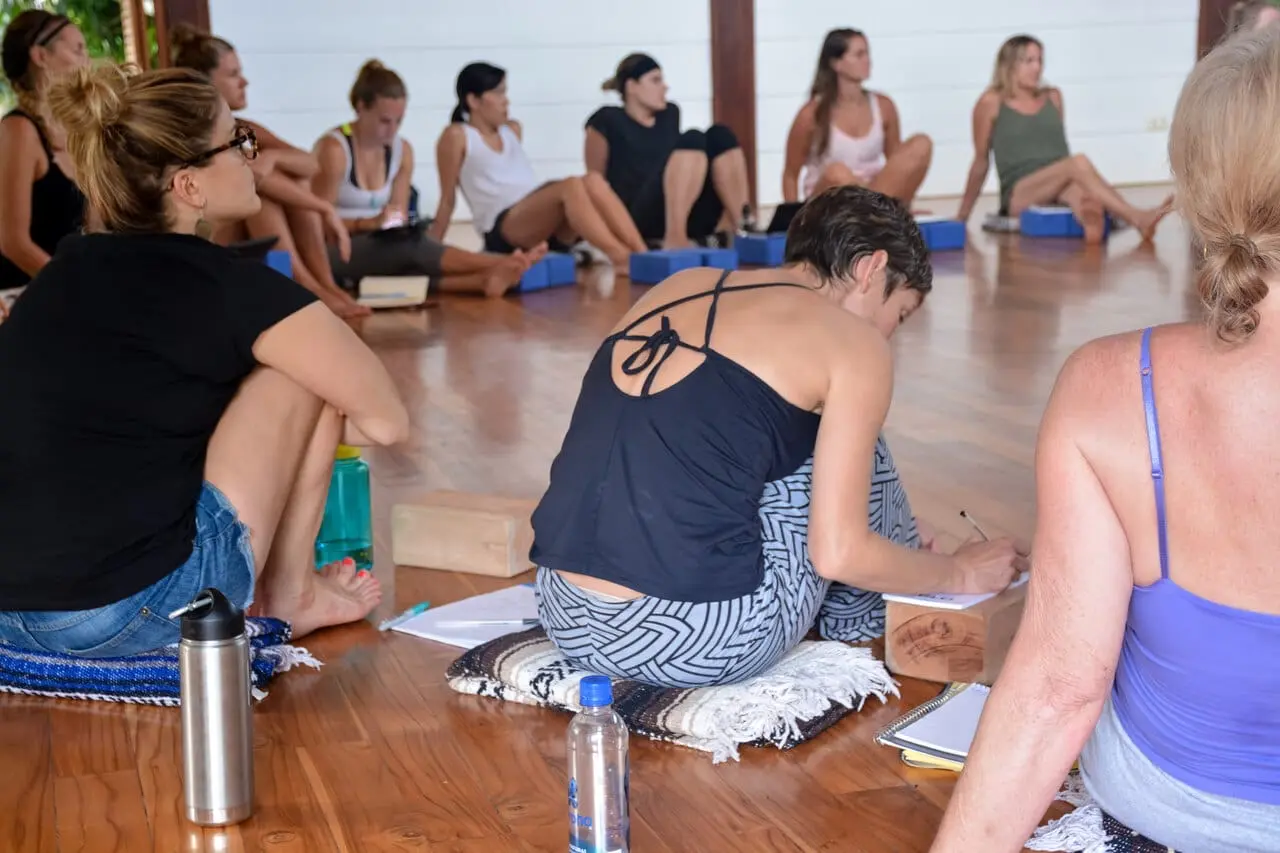
Most of the schools we checked say they're registered with Yoga Alliance. The claim costs nothing to make, so it's yours to check. It takes 2 minutes:
- Ask the school for the exact name it's registered under, and the level (RYS 200, RYS 300 or RYS 500).
- Open the Yoga Alliance directory and search for the school. Make sure the level on the listing matches the course you're booking.
- Check the lead trainer too. Search their name in the same directory and look for E-RYT 500, which Yoga Alliance's current standards require of a 200-hour school's lead trainers.
- If the school mentions a different registry with a similar name, ask which one. In this guide, "Yoga Alliance" always means the US organization at yogaalliance.org.
Two more things are worth knowing. Yoga Alliance lets schools teach fully in person, fully online or a mix, and it requires at least 15% of a course's hours (30 of a 200) to be live, with teachers and students together in real time, in person or online. And its standards tell schools to assess trainees before issuing a certificate, and not to graduate students "simply because they have completed the teacher training." Ask each school how it does that.
Registration is a floor, not a guarantee of a good month. The people teaching matter more than the logo, and the Stapletons, who ran Nosara's first yoga school for more than 20 years, put it plainly:
"... we love Hatha yoga, but what we really love is students being in a safe learning environment where they accept and love themselves. We don’t have videos or clipboards with checks of what teacher trainees are doing wrong."
Amba Stapleton, who co-founded the Nosara Yoga Institute and ran it until 2016, in a 2016 interview with Voz de Guanacaste
What a training month is really like
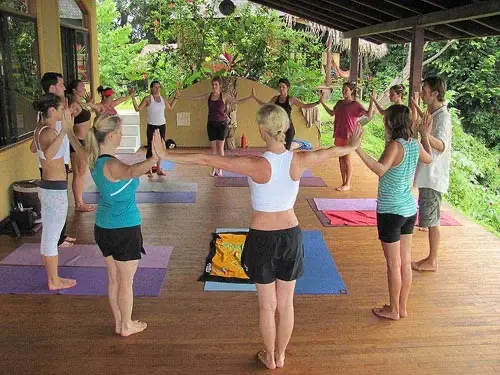
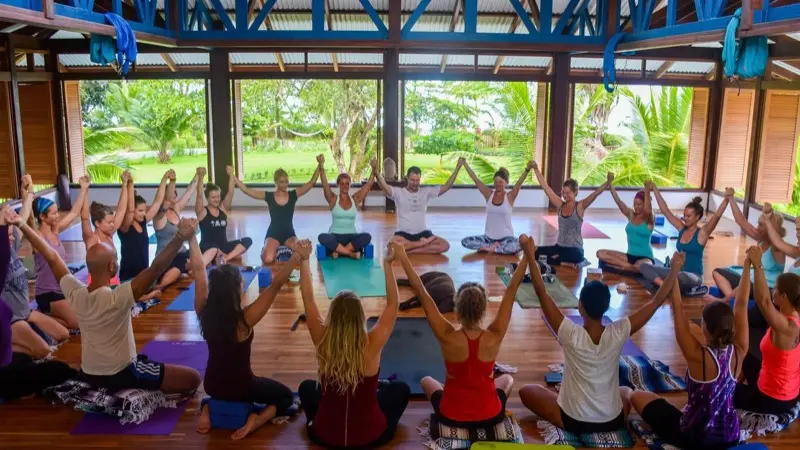
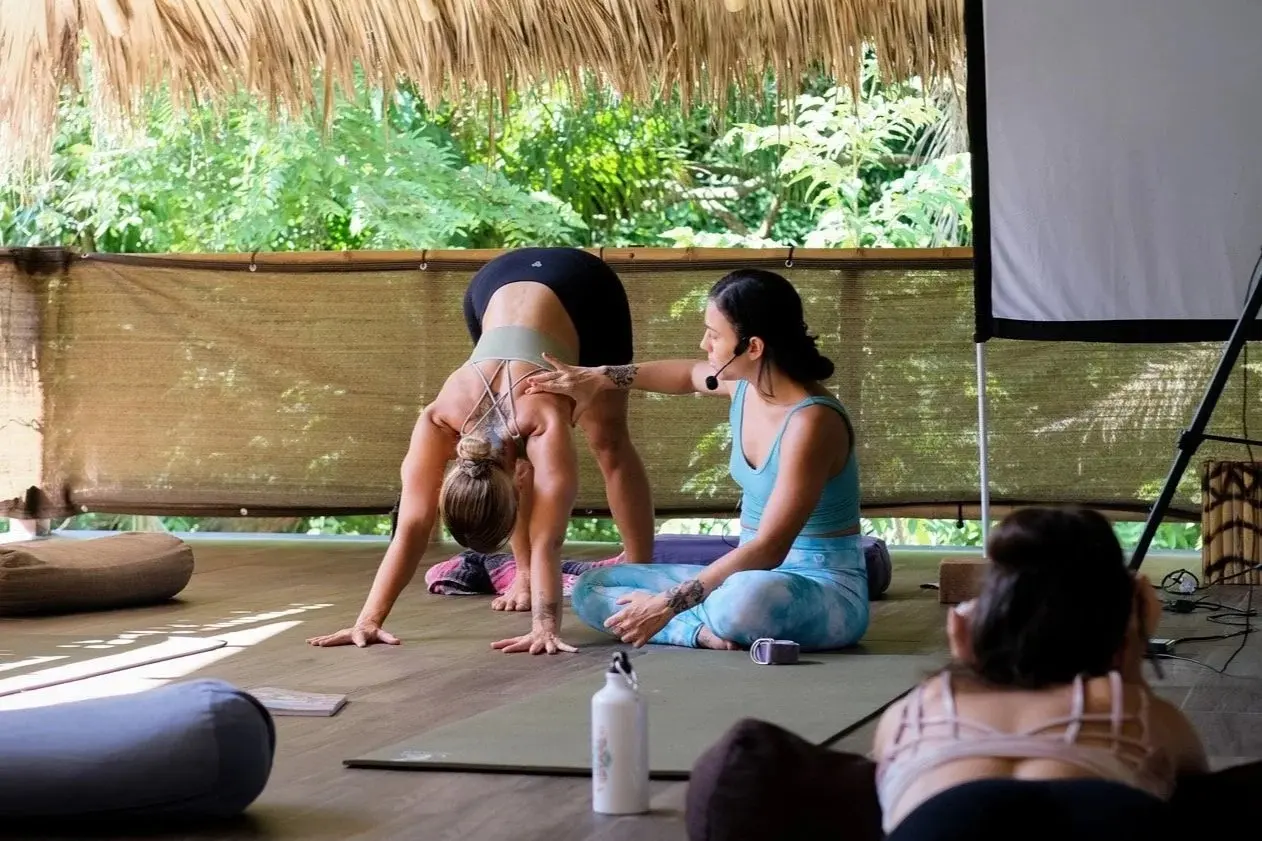
A residential training is closer to a boarding school than a holiday. You'll be up before dawn, in class 6 to 8 hours a day, and studying in the evenings. Two schools publish their days in detail, and Pranaluz's sample day in Pavones follows a similar shape.
| Time | Kindred Spirits, Cocles (21 days) | Blue Osa, Osa Peninsula (14 days) |
|---|---|---|
| Early morning | 6:00 wake up and herbal tea; 7:00 to 9:00 pranayama, asana and meditation | 4:45 to 6:15 morning meditation |
| Morning | 9:00 breakfast; 10:30 to 1:00 lectures | 6:15 breakfast; 8:00 to 11:30 training and practice |
| Midday | 1:00 lunch | 11:30 to 3:30 lunch, beach, free time and study |
| Afternoon | 3:00 to 5:00 asana workshops; 5:00 to 6:00 evening class | 3:30 to 6:00 training and practice |
| Evening | 7:00 dinner; 8:00 practice, study and meditation | 6:30 dinner; 7:30 to 9:00 free time and study |
The times come from Kindred Spirits' sample itinerary and Blue Osa's typical day, both on the schools' training pages (linked in the school section below).
How intense is a month-long training?
Intense, mostly because of the pace. A 200-hour course squeezed into 14 days, as at Blue Osa, means long, full days with little time off; 21 or 22 days, as at Kindred Spirits, Bodhi Tree and Anamaya, leaves more room to rest and absorb. You don't need advanced poses: Blue Osa, for one, says you don't need to be advanced or flexible. Juan Pablo Barahona, a Costa Rican teacher, was asked in 2016 whether students needed experience to join his training.
"It’s more about how willing a student is to transform and have a change in their lives, to open their hearts."
Juan Pablo Barahona, Costa Rican yoga teacher who has led teacher trainings in Costa Rica, in a 2016 interview with SF Yoga Magazine
Schools do ask for some steady practice first: Blue Osa suggests 3 to 6 months, and Yoga Mandir in San José 2 to 3 months of continuous classes. The heat is easy to underestimate. Many shalas here are open to the air, with fans rather than air conditioning.
"Southern Costa Rica is humid year-round. ... Every session will be warm, and you will sweat more than you expect, even if you already practice hot yoga."
Yogi Aaron, founder of Blue Osa Yoga Retreat + Spa, Osa Peninsula, writing on Blue Osa's blog
Exams, practicum and graduating
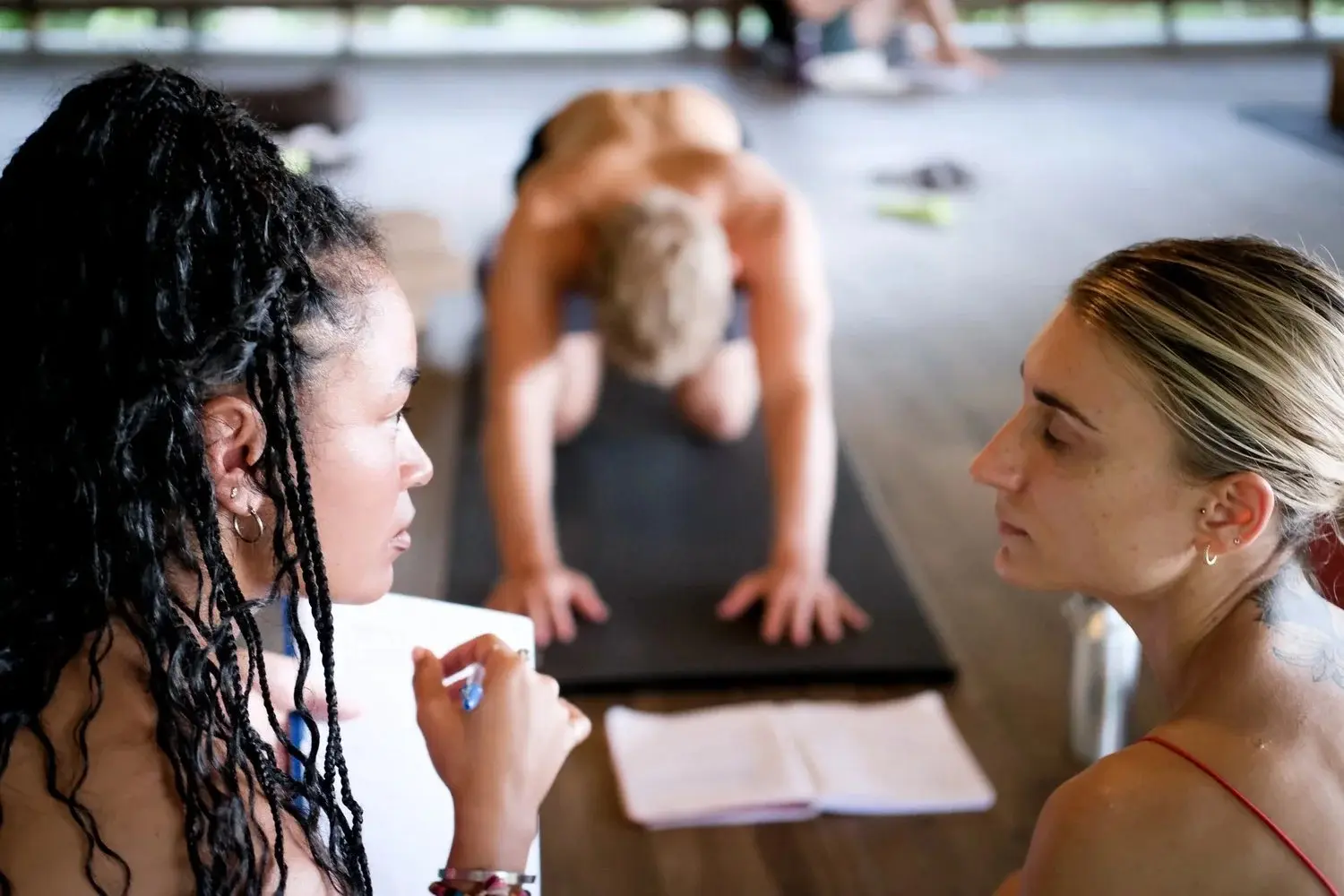
Expect to teach. In Yoga Alliance's 200-hour standards, the professional essentials part, which covers teaching methods and practice teaching, is 50 of the 200 hours, and schools are told to check each trainee's competence before they graduate. In practice that means teaching your fellow trainees: Marianne Wells Yoga School describes trainees teaching mini-classes and getting feedback from their peers, and Yoga Mandir's course includes 70 hours of practice, with students both in and out of class. Ask whether there's a written test as well, how assessment works, what happens if you miss days, and whether you can finish later.
Styles and lineages you can study in Costa Rica
Many 200-hour courses here teach a mix of hatha and vinyasa with some yin or restorative yoga, but each school leans somewhere. If the names are new to you, our introductions to hatha yoga, vinyasa flow and restorative yoga explain the basics, and our styles of yoga section has more.
| School | Main emphasis, as each school describes it (checked 2026-Nov-04) |
|---|---|
| Anamaya Resort | Vinyasa and yin (Peter Kaaberbøl's 2026 course); hatha and vinyasa (the 2027 course) |
| Blue Osa | Influenced by the Himalayan tradition, with Yogi Aaron's own anatomy method, AYAMA |
| Bodhi Tree | Run with iLa Yoga; the page doesn't name one style, so ask |
| Kindred Spirits | In order of emphasis: ashtanga (with vinyasa), hatha, yin, nidra, Sivananda and Iyengar, plus time with horses |
| Vida Asana | Draws on vinyasa, hatha, ashtanga, Iyengar and restorative yoga |
| PachaMama | Restorative yoga and meditation |
| Yoga Mandir | Asana, pranayama, kriyas and mantra, taught in Spanish |
Ashtanga has deep roots in San José. Mariela Cruz, a Costa Rican teacher, founded Namasté Yoga Studio there in 2001 and, The Tico Times reported, was the first Central American authorized to teach ashtanga by Pattabhi Jois.
"It’s the most demanding yoga. It’s not the ‘fun’ yoga where you go to the studio to socialize. It’s internal work and you have to be consequent"
Mariela Cruz, Costa Rican teacher who founded Namasté Yoga Studio in San José, in a 2012 interview with The Tico Times
Choose the style you actually want to teach. A course that "covers everything" in 200 hours gives you a taste of many styles but depth in few, and you'll be readiest to teach the style you practiced every morning.
How to choose a yoga teacher training school: questions to ask
A good school answers these quickly and in writing.
- Who are the lead trainers, and are they E-RYT 500? Get names, then check them in the Yoga Alliance directory. Ask whether they teach the whole course or only open and close it.
- Which registration does the course hold? RYS 200, 300 or 500, under which name. Check it.
- How many students, and how many teachers? Kindred Spirits keeps groups to 4 to 12; Blue Osa caps courses at 14 to 22; Yoga Mandir at 15.
- What's the daily schedule, and how many days off? Ask for the real timetable, not a sample.
- How is it assessed? Written exam, practice teaching, or both, and what happens if you fall short.
- What style will I be able to teach? Look at what's practiced every morning, not the list of topics.
- Which language? Most courses are in English; Yoga Mandir teaches in Spanish. Blue Osa says its course is entirely in English.
- Is any of it online? Vida Asana's 200-hour course starts with 10 weeks online before 12 days in Costa Rica. That suits people who can't take a month off.
- What's included? Rooms, meals, the manual, airport transfers and excursions vary a lot. Compare the list, not the headline.
- How do I get there? Some schools collect you at the airport or the local airstrip; others leave it to you.
The teacher training schools we profile, by region
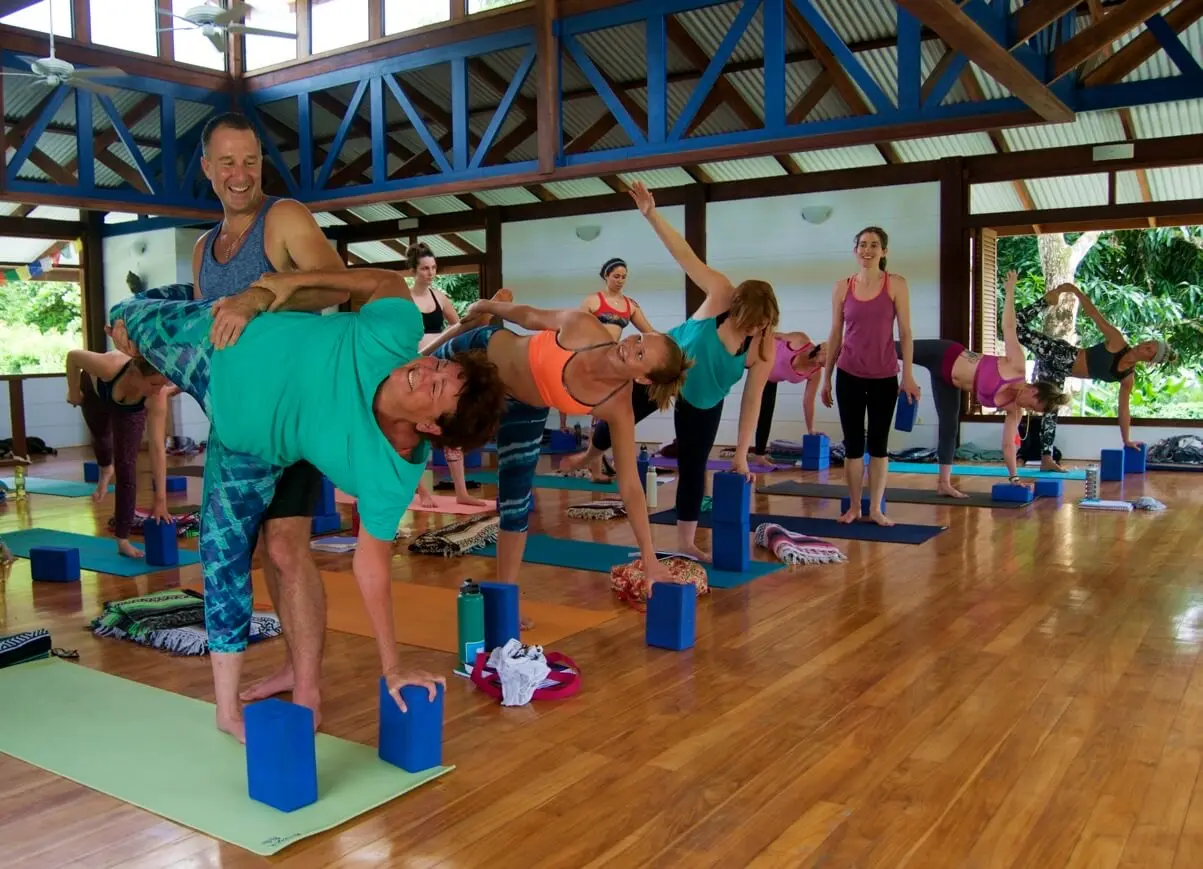
We checked every school below against its own website on 2026-Nov-04. "Open" means its site is live and lists a training or a standing program; dates change, so confirm before you book. Each name links to our profile, which has more on the place itself. We don't rank schools and we don't take bookings; see our editorial policy.
Nosara and the northern Nicoya Peninsula
Nosara, in Guanacaste on the Nicoya Peninsula, is where the country's training scene grew up. Voz de Guanacaste credits the Nosara Yoga Institute, open since 1994, with making the area famous for yoga teacher training, and when its founders put it up for sale in 2016, Don Stapleton said it had more than 3,000 graduates.
"We are yoga educators and we had started to get away from our vision of offering personal development through yoga and teacher training."
Don Stapleton, who co-founded and ran the Nosara Yoga Institute from 1994 to 2016, in a 2016 interview with Voz de Guanacaste
- Bodhi Tree Yoga Resort, Nosara. Open. A yoga resort in the foothills of Nosara that runs its 200-hour teacher training in partnership with iLa Yoga, described as Yoga Alliance certified. Dates: March 13 to April 3, 2027, and October 30 to November 20, 2027.
- Marianne Wells Yoga School, Nosara. Open as a school, but its calendar listed no Costa Rica dates for 2026 or 2027 when we checked; its upcoming 300-hour sessions are in Mexico. Its Costa Rica courses have been held at Bodhi Tree or Finca Austria, with a group bus from Liberia that takes about 2.5 hours, according to its Costa Rica page.
- PachaMama, near San Juanillo, north of Nosara. Open. A forest community that lists a restorative yoga and meditation teacher training on January 17 to 29 and April 3 to 15, 2027. Its page doesn't give the hours or the registry, so ask.
- Nosara Yoga Institute. Sold around 2016 and no longer runs as it did. Our profile keeps the history.
- Nosarananda and Costa Rica Yoga Spa. Both once ran trainings near Nosara; we couldn't confirm either is still running.
"For 20 years Costa Rica has allowed us to experience going with the flow of the universe – an uncomplicated way of living during our yoga retreats and yoga teacher trainings."
Marianne Wells, founder and lead trainer of Marianne Wells Yoga School, which has held its Costa Rica trainings in Nosara
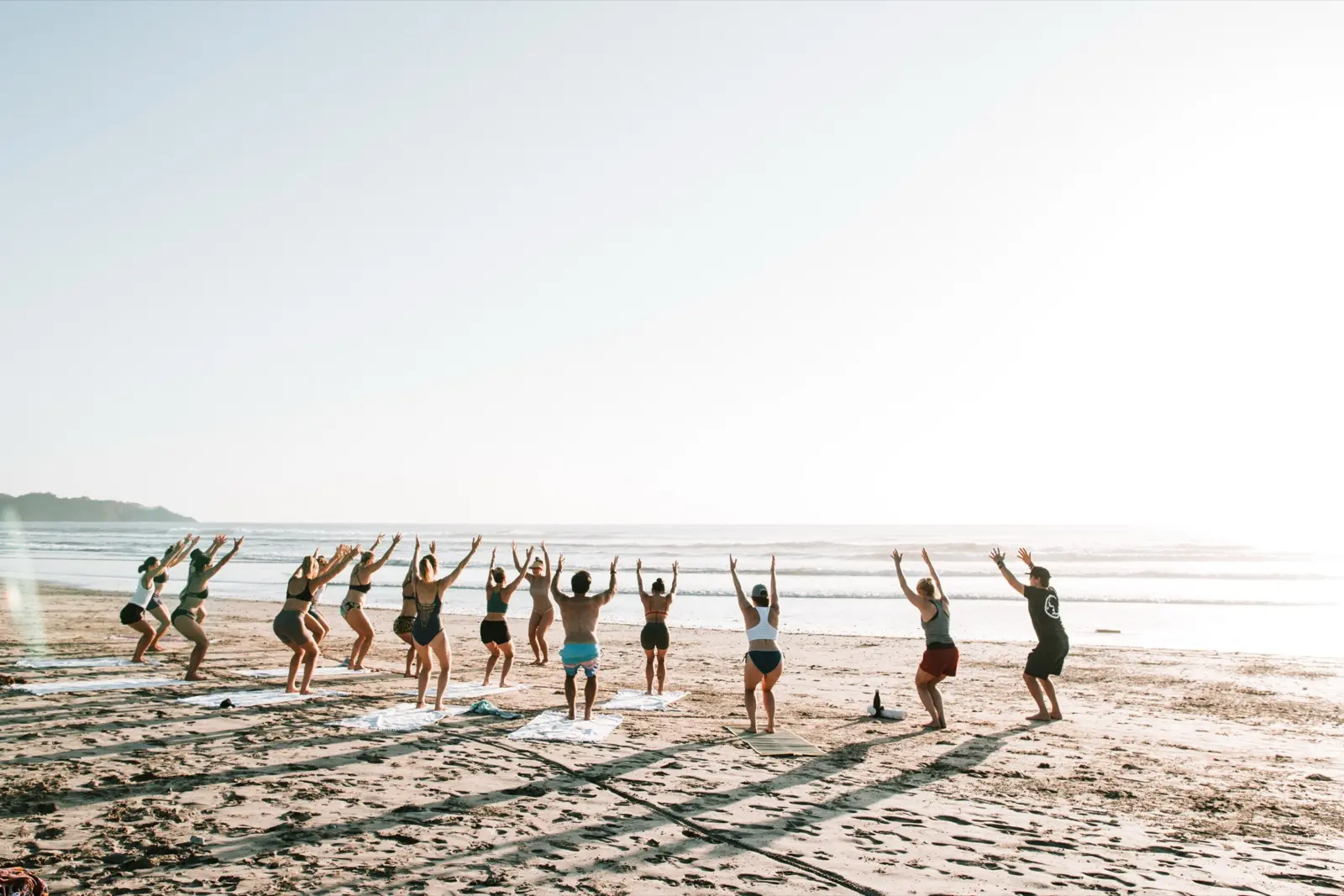
Fly into Liberia for Nosara. Our Nosara section lists everything we profile there.
Montezuma and the southern Nicoya Peninsula
- Anamaya Resort, Montezuma. Open. A clifftop retreat center that says it has hosted teacher trainings since 2010. Its training calendar lists a 200-hour vinyasa and yin course with Peter Kaaberbøl from November 14 to December 5, 2026, and a 200-hour hatha and vinyasa course with Michelle LeHegarate and Danielle Hoguet from June 26 to July 17, 2027. Each is 3 weeks long and led by its own visiting teachers, so look up the trainers.
Montezuma is usually reached from San José by road and the Puntarenas to Paquera ferry. Our southern Nicoya section has more.
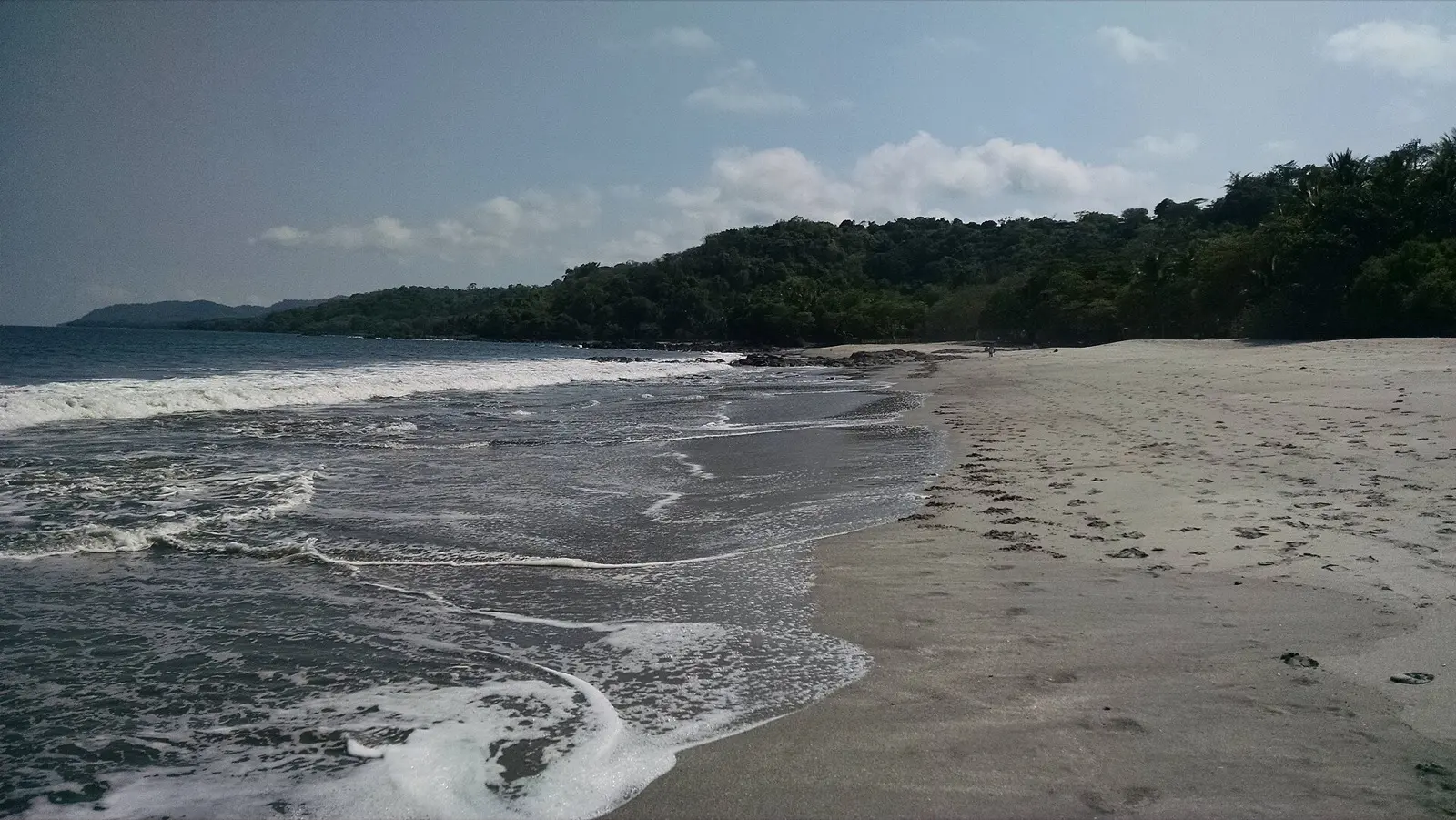
The Central Pacific
- Vida Asana, Playa Hermosa, south of Jacó. Open. Its Awakenings 200-hour training runs in 3 parts: 10 weeks online, then 12 days (120 hours) on site in July 2027, then 4 weeks of online mentoring after you graduate, which is included. The lead trainer, Alejandra Torres, is a native of Costa Rica who lives in Playa Hermosa, and the teaching team includes Adriana Leiva and Marco Amador. Vida Asana also hosts a 300-hour course run by The Grateful Yoga School, with 30 to 50 extra hours online. It's about 90 minutes from San José's airport.
The Central Pacific is the closest coast to San José, which helps if your time is short. See our Central Pacific section.
Dominical, the Osa Peninsula and Pavones
- Blue Osa Yoga Retreat + Spa, Playa Tamales near Puerto Jiménez, Osa Peninsula. Open. Runs a 200-hour course in 14 days and a 300-hour course in 28 days, taught in English by founder Yogi Aaron, with a cap of 14 to 22 students. It says it's a Registered Yoga School. Most students fly from San José to Puerto Jiménez, about 45 minutes, and the center picks them up there. Its page showed no dates when we checked, so ask.
- Danyasa Eco-Retreat, Dominical. Open, mainly as a host. Its own 200-hour Danyasa Yoga Arts training last appears on its calendar in 2021, the last 200-hour course it hosted for another school ran in 2023, and the only training it lists for 2026 to 2027 is a 7-day movement training retreat over New Year. Ask it about hosted courses.
- Pavones. Pavones Yoga Center no longer appears to operate, and The Yoga Farm near Punta Banco doesn't list a training. A Costa Rican teacher, Ana Lucía Fariña of Pranaluz, runs a 200-hour course in Spanish at Tiskita Jungle Lodge from November 21 to December 12, 2026, which her site calls the last one. We don't profile it yet.
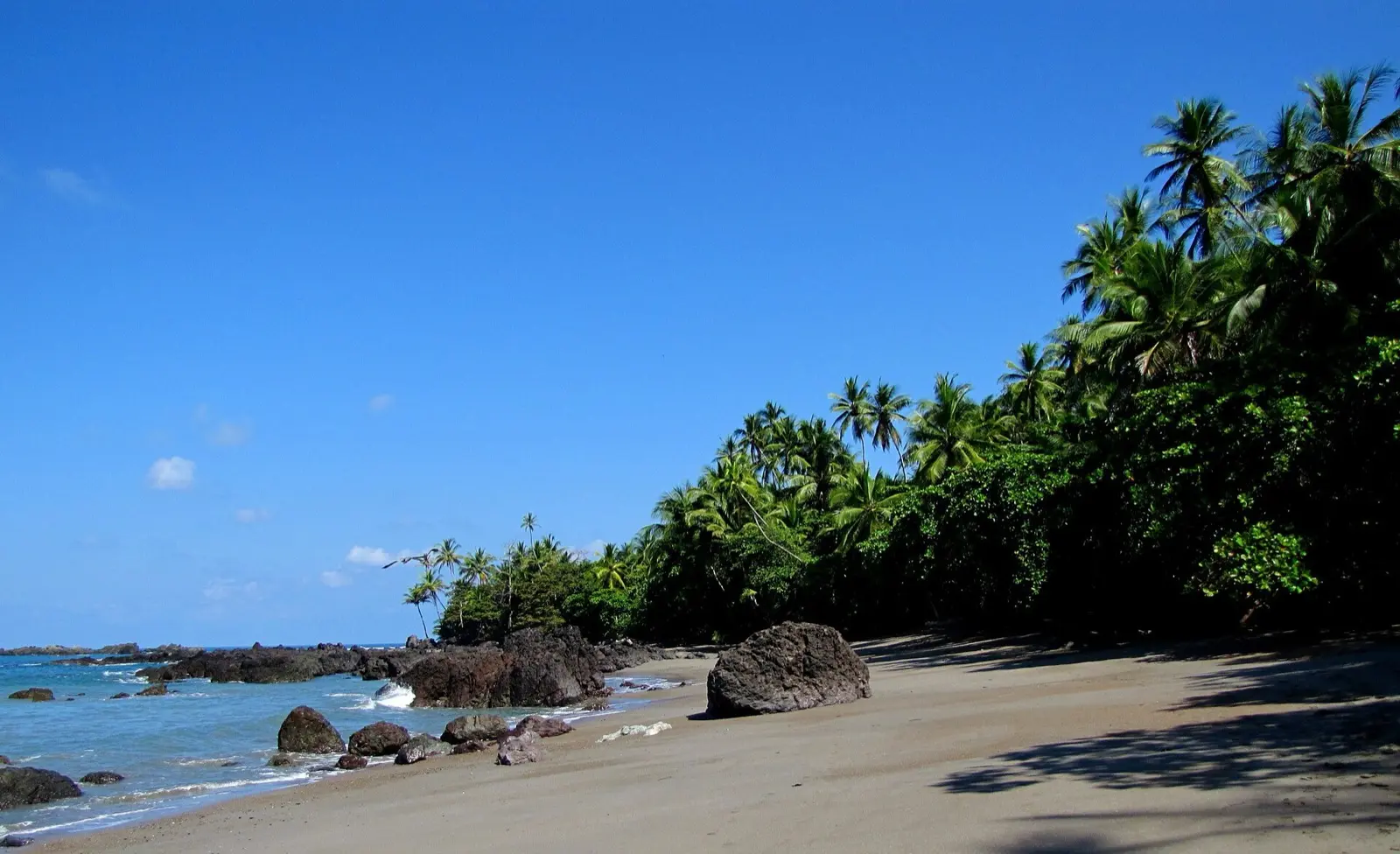
See our Southern Pacific and Osa Peninsula sections.
The Caribbean coast
- Kindred Spirits, Cocles. Open. Runs a 21-day, 200-hour training that it says is registered with Yoga Alliance, led by Terry Newton, who has lived in Costa Rica since 1995, and Johanna Holst. Groups are 4 to 12. One course runs October 31 to November 21, 2026 (already under way when we checked); the next dates are January 16 to February 6, April 24 to May 15 and July 17 to August 7, 2027. The course includes time with the farm's horses.
- The Goddess Garden, Cahuita. Open, as a host: its site invites groups to bring a retreat or a yoga teacher training, but it lists no training of its own.
- Samasati Nature Retreat, near Puerto Viejo. Open as a retreat; it once hosted trainings, but its site lists none now.
- Punta Mona closed in 2021, and we couldn't confirm Tierra de Yoga is still running.
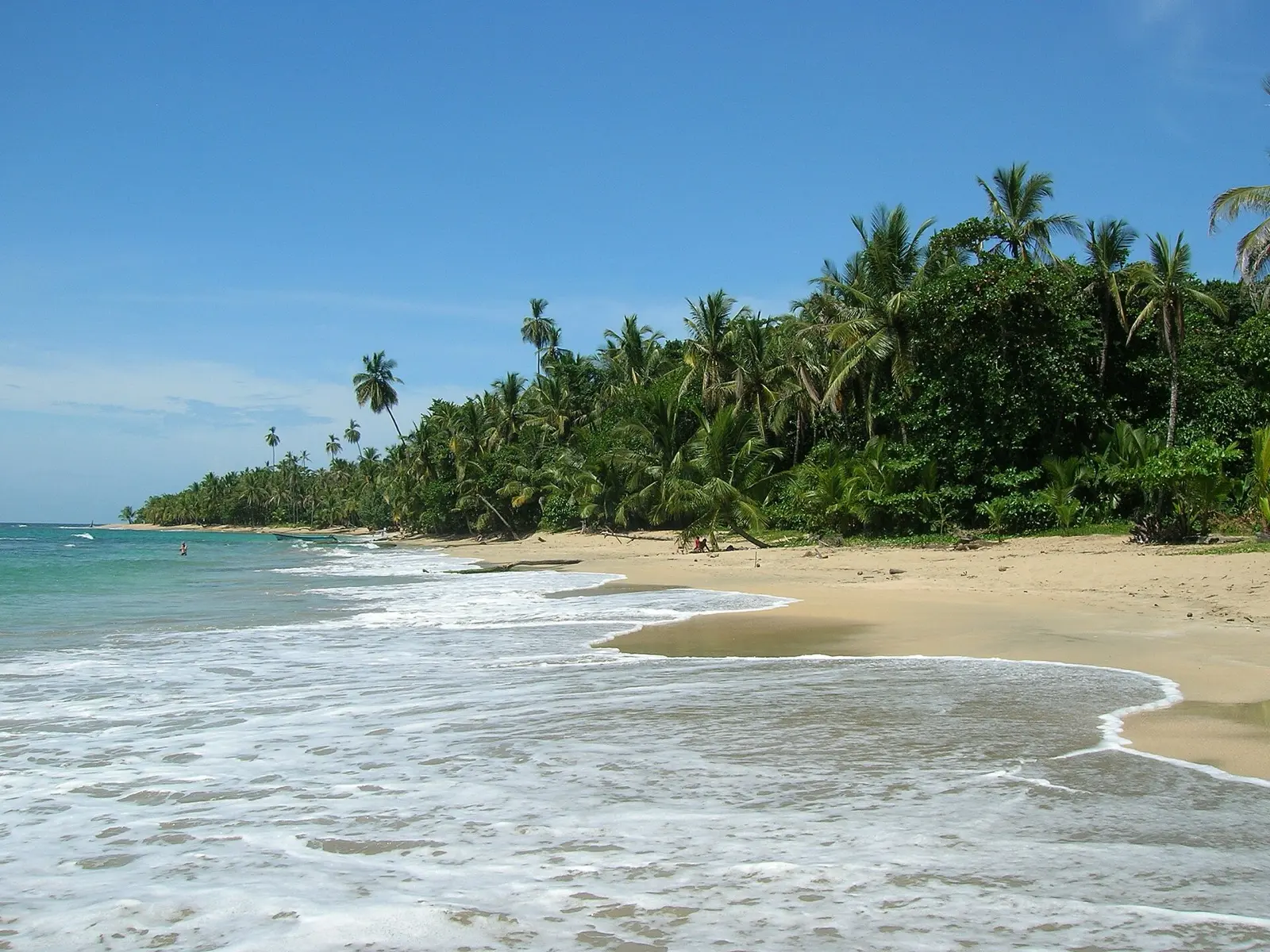
The Caribbean has its own seasons (see the table below), and it's the long drive east from San José. Our Caribbean section lists every place we profile there.
San José and the Central Valley: training in Spanish
If you live in Costa Rica, or want to train in Spanish, the capital is where the local schools are.
- Yoga Mandir, San Pedro de Montes de Oca. Open. Edgar Ortiz teaches its entrenamiento para profesores de yoga, a 300-hour course (or 400 with its extra Virabhadra program) from March 2 to May 29, 2027. Classes run on weekday mornings, with 16-hour weekend workshops, a format that can fit around a job. It's taught in Spanish, asks for basic English, takes up to 15 students, and the school says it's registered with Yoga Alliance.
- Namasté Yoga Studio, San José. The ashtanga studio Mariela Cruz founded once hosted a YogaWorks teacher training, The Tico Times reported in 2012. We couldn't confirm it's still running.
- Krama Yoga, now in Pozos, Santa Ana. Open as a studio, with no training listed on its site.
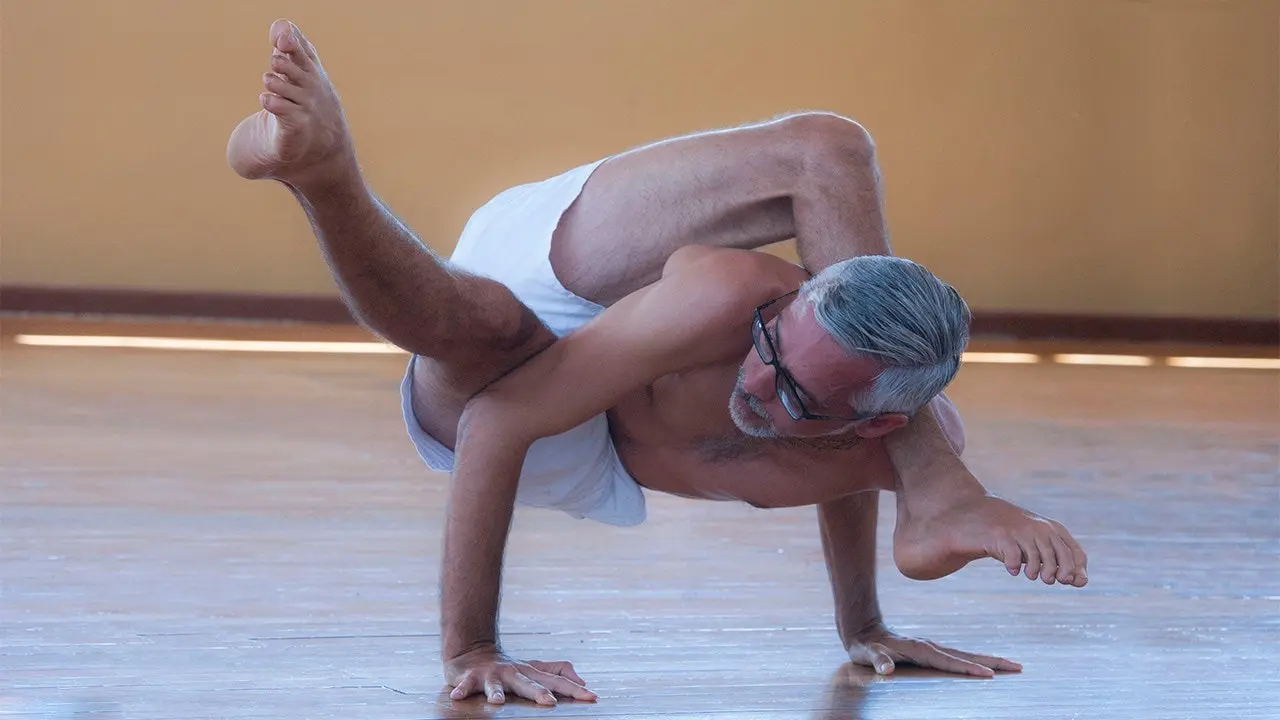
More studios are in our Studios of the Central Valley section.
The mountains
Rancho Margot, by Lake Arenal, once ran a 200-hour training in 2 modules. Its site now lists twice-daily yoga classes for guests and no training.
Which months suit a teacher training in Costa Rica
The training dates we found in November 2026 are spread through the year rather than packed into one season: Bodhi Tree in March to April and October to November, Anamaya in November to December and June to July, and Kindred Spirits through the year.
The coasts have different seasons, according to the Costa Rican Tourism Board's climate page.
| Coast | Drier months | Wetter months | For a training |
|---|---|---|---|
| Pacific (Nosara, Montezuma, Playa Hermosa, the Osa) | December to March; April is a transition; March is the driest and hottest month | May to October, with a drier spell in July and August | Dry-season courses fill first; green-season courses are quieter, and dirt roads can be muddy |
| Caribbean (Cocles, Cahuita) | February to March and September to October | November to January, and May to August | A good choice when the Pacific is at its wettest |
A month-long course is also a month away from home, so think about your own calendar. A winter training means swapping snow for sun; a September training on the Pacific means fewer people and more rain. We'll cover seasons and travel in full in our trip-planning guide; until then, our sister site Costa Rica Journeys covers flights, driving and money.
What to pack for a yoga teacher training
Pack for heat, damp and long days on the floor.
- Clothes: light, quick-drying practice clothes, enough for 2 sessions a day; many schools offer laundry, Blue Osa among them, but things dry slowly in the green season. Bring a light rain jacket from May to November.
- Study kit: a notebook, pens, highlighters and anything on your school's reading list. Blue Osa, for example, sends a packing list once you register; ask your school for one.
- Mat and props: most residential schools provide mats, blocks and bolsters; Blue Osa, for example, provides mats and towels. Ask before you carry a heavy mat.
- Body care: insect repellent, reef-safe sunscreen, any medicines you take, and electrolytes if you sweat heavily. Blue Osa suggests electrolyte packets for the first week.
- Water bottle: you'll drink far more than at home.
- Documents: your passport, flight details and the school's arrival instructions on paper, because the signal can drop on rural roads.
Leave room for your manual and notebooks on the way home; they're the most useful thing you'll bring back.
How we checked these schools
On 2026-Nov-04 we visited each school's own website to confirm it's live and to note its next training dates, and we read Yoga Alliance's 2025 standards for the facts on hours and credentials. Yoga Alliance's directory is an app that we can't search automatically, so we didn't confirm each school's listing there; please do that yourself. We haven't taken these courses, and we don't rank schools. If you know a school has closed or started a training, please tell us through our contact page.
Our older lists, Yoga Teacher Training in Costa Rica (2014) and Great Yoga Teacher Training Centers in Costa Rica, are kept for the record; this guide replaces them. Everything we file under teacher training is in our yoga teacher training section. If you're comparing Costa Rica with India, Bali or Mexico, our sister site Retreat Vacations covers trainings and retreats worldwide.
Frequently asked questions
Where can I do yoga teacher training in Costa Rica?
In Nosara (Bodhi Tree Yoga Resort), Montezuma (Anamaya), Playa Hermosa (Vida Asana), the Osa Peninsula (Blue Osa), Cocles on the Caribbean (Kindred Spirits) and, in Spanish, San José (Yoga Mandir). All had a training listed or a standing program when we checked in November 2026.
Should I do a 200-hour or a 300-hour yoga teacher training?
Start with a 200-hour course; it's the foundational level, and a 300-hour course is meant for people who already hold a 200. Together they add up to the 500 hours Yoga Alliance asks for RYT 500, along with 100 hours of teaching.
How do I check a yoga school is Yoga Alliance registered?
Ask the school for the exact name and level it's registered under, then search for it in the Yoga Alliance directory at app.yogaalliance.org/directory. Check that the lead trainers hold E-RYT 500, which Yoga Alliance's current standards require of a 200-hour school's lead trainers.
How hard is a month-long yoga teacher training?
It's demanding mostly because of the hours: days often start between 4:45 and 6:00 am and end with evening study. You don't need advanced poses, but a few months of regular practice beforehand helps, and the heat in open-air shalas adds to the effort.
How long is a yoga teacher training in Costa Rica?
Live-in 200-hour courses run 14 to 22 days: 14 days at Blue Osa, 21 at Kindred Spirits and 22 at Bodhi Tree, for example. Vida Asana combines 10 weeks online with 12 days on site, and Yoga Mandir runs a part-time course over 3 months.
Can I do a yoga teacher training in Spanish in Costa Rica?
Yes. Yoga Mandir in San José teaches its 300 and 400-hour courses in Spanish, and Pranaluz runs a Spanish 200-hour course in Pavones in November and December 2026.
When is the best time for a yoga teacher training in Costa Rica?
Trainings run all year, so pick by weather: December to March is the Pacific dry season. The Caribbean coast is driest in February to March and September to October, so it suits a training in the Pacific's rainiest months.