Regions of Costa Rica
Guanacaste: Costa Rica's Dry, Sunny Northwest
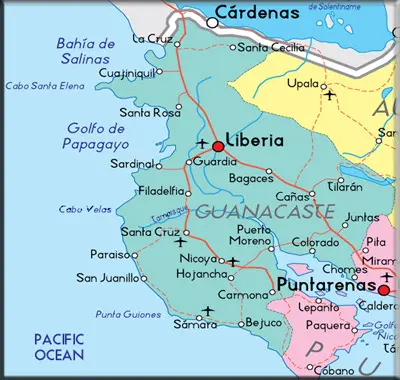
Guanacaste is Costa Rica's driest, sunniest province, in the northwest, with a long Pacific coastline, volcanoes inland and its own international airport at Liberia. It suits beach lovers, surfers and yoga travelers: Nosara and Tamarindo are both here, and the dry season from December to April brings almost daily sun.
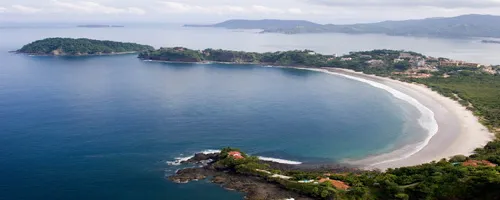
Guanacaste, in Costa Rica's northwest corner, is the country's driest and sunniest province. It's cattle and cowboy country inland, with volcanoes along its eastern edge, and on the coast it has some of the country's best-known beaches and surf towns. For many visitors, especially from North America, it's also the easiest place to start a trip, thanks to the international airport at Liberia.
Getting there
Guanacaste Airport (Daniel Oduber Quirós International, LIR) in Liberia has direct flights from many cities in the US and Canada. From there it's roughly 30 minutes to Playas del Coco, about an hour to Tamarindo, and about 2.5 hours to Nosara, depending on the road. Many travelers find it saves a long drive compared with flying into San José.
The climate
Guanacaste has the most pronounced dry season in Costa Rica, from about December to April, with almost no rain, strong sun and dry, golden hills. The rainy season, from about May to November, turns the landscape green again. September and October are usually the wettest months.
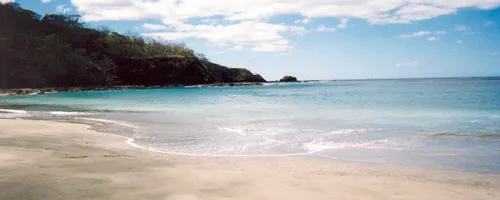
Beaches, surf and towns
The coast runs from the Santa Elena Peninsula near Nicaragua down onto the Nicoya Peninsula. Some well-known areas:
- Playas del Coco and the Gulf of Papagayo: calm bays, dive trips and big resorts. See our Playas del Coco guide.
- Tamarindo: a lively surf town with plenty of restaurants and Las Baulas marine park next door. See our Tamarindo guide.
- Nosara: a quieter surf and yoga town with more retreat centers than almost anywhere in the country. See our Nosara guide.
Surfing, snorkeling, diving, sport fishing, horseback riding and wildlife watching are all easy to arrange. For more beaches, see our article on beaches in Guanacaste.
Inland: volcanoes and dry forest
Inland, the Área de Conservación Guanacaste, a UNESCO World Heritage Site, protects one of the largest remaining tropical dry forests in Central America, including Santa Rosa National Park. Rincón de la Vieja National Park, near Liberia, has hiking trails, hot springs, mud pots and waterfalls on the slopes of an active volcano.
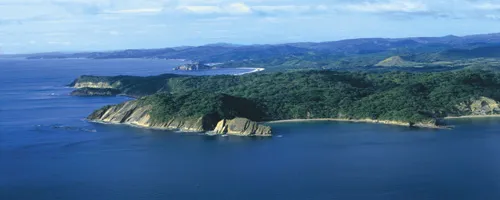
Yoga in Guanacaste
Guanacaste has one of Costa Rica's biggest concentrations of yoga, mainly in Nosara, with more in Tamarindo, Samara and the smaller beach towns. Many retreats combine yoga with surf; see our yoga and surf guide. To compare Guanacaste with the other regions, read our guide to where to do yoga in Costa Rica, and for choosing a center, our guide to choosing a yoga retreat in Costa Rica.
Frequently asked questions
When is the dry season in Guanacaste?
From about December to April. It's the sunniest part of the country, and the dry season brings almost no rain. The rainy season runs from about May to November.
Which airport is closest to Guanacaste?
Guanacaste Airport (LIR) in Liberia, which has direct international flights from many US and Canadian cities.
Is Guanacaste good for a yoga retreat?
Yes. Nosara, in Guanacaste, has more yoga retreat centers than almost anywhere in Costa Rica, and Tamarindo and Samara have studios and retreats too.
[Updated on: 4 November 2026]