Styles of Yoga
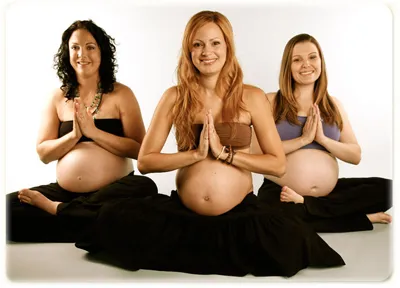
Prenatal Yoga- A Rewarding Experience for Expectant Mothers
Prenatal yoga is a gentle, adapted yoga practice for pregnancy, with modified poses, breathing and relaxation. Health bodies such as ACOG and the US National Center for Complementary and Integrative Health describe it as safe for most pregnant women with a few precautions, so it suits expectant mothers who've checked with their ob-gyn or midwife first.
 By Monirul Hoque · Published · Updated
Prenatal yoga is yoga adapted for pregnancy: slower, steadier poses that make room for your belly and your changing balance, with plenty of time for breathing and relaxation. Many women find it a calm way to stay active, to meet other expectant mothers and to practice the kind of breathing that's useful in labor. This guide sums up what major health bodies say, how to practice safely, and what to think about if you're planning yoga in Costa Rica while pregnant.
This article is general information, not medical advice. Talk to your ob-gyn or midwife before you start, and again if anything changes.
What the health bodies say
- It's generally considered safe. The US National Center for Complementary and Integrative Health (NCCIH) says physical activities such as yoga are safe and desirable for most pregnant women, as long as appropriate precautions are taken, and that you should be checked by a health care provider first.
- It counts as exercise. The American College of Obstetricians and Gynecologists (ACOG) suggests that pregnant women ideally get at least 150 minutes of moderate-intensity aerobic activity a week, and lists modified yoga among suitable activities. A gentle yoga class can sit alongside walking or swimming in your week.
- It may help with stress and mood. ACOG says yoga reduces stress, improves flexibility and encourages stretching and focused breathing. NCCIH reports a 2022 analysis of 29 studies in which pregnancy yoga reduced anxiety, depression and perceived stress, while noting that more rigorous research is needed.
What yoga can't do is guarantee an easier birth or prevent complications, so be wary of any class or retreat that promises it.
What a prenatal class looks like
A good prenatal class is slower than a standard one. Expect:
- Modified poses that allow for your belly and shifting balance, often using a wall, chair, blocks or bolsters.
- Breathing practice, which many women find helpful for staying calm.
- Gentle strengthening for the legs, hips and back, which carry more load as pregnancy goes on.
- Relaxation, usually lying on your side rather than flat on your back.
- Company. Classes for expectant mothers are a chance to share the experience with women in the same stage of life.
How to practice safely
ACOG and NCCIH give clear precautions:
- Avoid hot yoga. NCCIH warns that hot yoga carries risks from overheating and dehydration, and ACOG advises avoiding overheating, especially in the first trimester.
- Don't lie flat on your back for long. ACOG explains that lying on your back lets the uterus press on a large vein that returns blood to the heart. Standing still for long periods can also let blood pool in your legs.
- Drink water, wear loose clothes, and practice somewhere cool.
- Tell your teacher you're pregnant, and how far along you are, before class.
- Stop and call your ob-gyn if you notice any of ACOG's warning signs: bleeding from the vagina, feeling dizzy or faint, shortness of breath before exercise, chest pain, headache, muscle weakness, calf pain or swelling, regular painful contractions, or fluid leaking from the vagina.
If you're new to yoga, NCCIH also suggests avoiding extreme practices such as headstands, shoulder stands and forceful breathing.
Prenatal yoga in Costa Rica
Costa Rica is a popular place for a yoga holiday, and some studios and retreat centers offer gentle or prenatal classes. Ask before you book whether there's a teacher trained in prenatal yoga, how hot the shala gets in the afternoon, and how far the nearest hospital is. Many coastal shalas are open-air with fans rather than air conditioning, which matters when you need to avoid overheating. A retreat with gentle, restorative yoga classes and a cool morning schedule may suit you better than a vigorous program; our guide to choosing a yoga retreat in Costa Rica covers what to ask.
Before you travel, check the CDC's Costa Rica travel health page and talk to your provider about any advice for pregnant travelers. For more poses and practice ideas, see our article on prenatal yoga.
Frequently asked questions
Is prenatal yoga safe?
For most pregnant women, yes, with precautions, according to NCCIH and ACOG. Check with your ob-gyn or midwife first, avoid hot yoga, and avoid lying on your back or standing still for long periods.
When can I start prenatal yoga?
Ask your provider. ACOG's guidance covers the whole pregnancy, with extra care to avoid overheating in the first trimester.
Can I do hot yoga while pregnant?
No. NCCIH says pregnant women should avoid hot yoga, which carries risks from overheating and dehydration.
What are the warning signs to stop exercising?
ACOG lists bleeding, dizziness or faintness, shortness of breath before exercise, chest pain, headache, muscle weakness, calf pain or swelling, regular painful contractions and leaking fluid. Stop and call your ob-gyn if you notice any of them.
[Updated on: 4 November 2026]